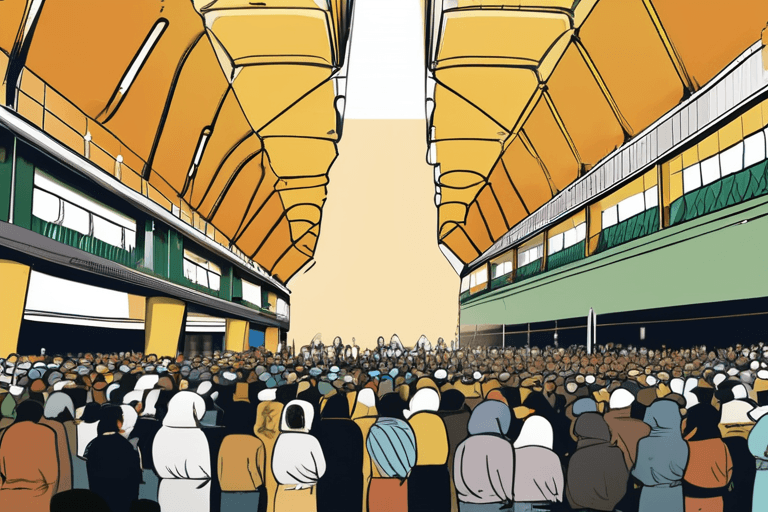
Iran is grappling with widespread economic unrest as protests ignited by the Iranian rial's record low against the US dollar entered their third day. The demonstrations, which began with a strike by shopkeepers in Tehran's Grand Bazaar on Sunday, have since spread to multiple cities, including Karaj, Hamedan, Qeshm, Malard, Isfahan, Kermanshah, Shiraz, and Yazd.
The rial's devaluation, a key trigger for the protests, saw it plummet to a record low against the dollar on the open market. While specific figures weren't immediately available, the currency's decline has significantly eroded purchasing power and fueled inflation, impacting everyday Iranians. This economic pressure, exacerbated by international sanctions and internal economic policies, has created a volatile market environment.
The protests are likely to further destabilize the Iranian economy, potentially disrupting trade and investment. The government's response, including acknowledging the protests and promising dialogue, suggests an attempt to mitigate the damage and prevent further escalation. The acceptance of the central bank governor's resignation and the appointment of Abdolnasser Hemmati, a former economy and finance minister, signals a potential shift in economic policy.
Iran's economy has been under considerable strain for years, facing challenges such as international sanctions, fluctuating oil prices, and internal economic mismanagement. The current unrest underscores the deep-seated economic grievances of the Iranian population and the government's struggle to address them effectively.
Looking ahead, the situation remains uncertain. The success of the government's efforts to engage with protesters and implement effective economic reforms will be crucial in stabilizing the economy and preventing further unrest. The appointment of a new central bank governor could signal a change in monetary policy, but the effectiveness of these measures will depend on broader economic and political factors. The protests highlight the urgent need for sustainable economic solutions to address the underlying issues of inflation, currency devaluation, and economic inequality in Iran.









Discussion
Join the conversation
Be the first to comment