The dating industry's recent embrace of artificial intelligence to foster deeper connections may be overhyped, with some relationship experts suggesting that traditional, in-person interactions remain the most authentic path to finding love. This shift comes after a year in which dating apps increasingly integrated AI-powered matchmaking, aiming to combat dating fatigue and promote more "sincere connections," according to industry analysts.
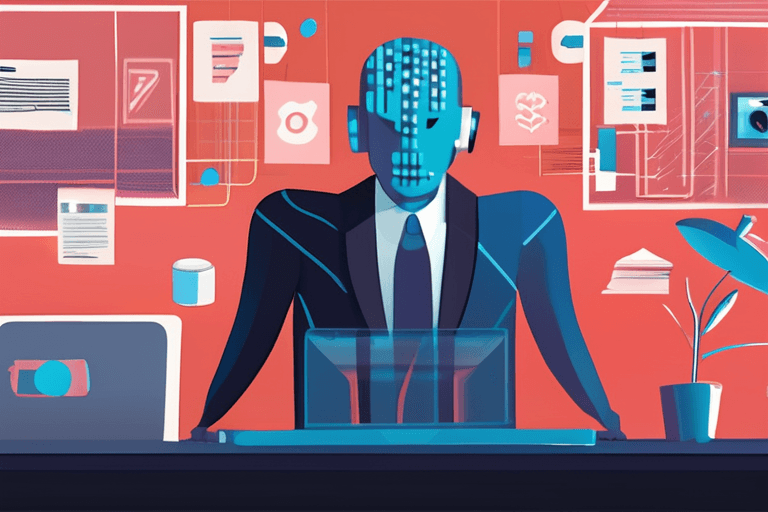
The integration of AI into dating platforms involved algorithms designed to analyze user data, predict compatibility, and even offer suggestions for conversation starters. These tools leverage machine learning, a subset of AI, to identify patterns in user behavior and preferences, theoretically leading to more successful matches. However, some critics argue that these AI-driven approaches overlook the crucial element of human chemistry.
"Flirting remains one of the last human endeavors where people are intentionally trying to find common ground," said one relationship expert, who preferred to remain anonymous due to professional constraints. "It's an art that can't be faked, or perfected by AI." This sentiment reflects a growing concern that relying too heavily on algorithms could strip away the spontaneity and nuanced communication that characterize genuine human connection.
The rise of AI in dating coincides with increasing user frustration with traditional swipe-based apps, which are often criticized for promoting superficial interactions and prioritizing quantity over quality. Dating app companies have responded by investing in AI, hoping to offer a more personalized and efficient experience. However, the effectiveness of these AI-driven features remains a subject of debate.
One potential drawback of AI matchmaking is the risk of algorithmic bias. If the data used to train the AI reflects existing societal biases, the algorithm may perpetuate those biases in its recommendations, potentially limiting users' options and reinforcing stereotypes. Furthermore, the reliance on data analysis raises privacy concerns, as users may be uncomfortable with the extent to which their personal information is being used to inform their dating prospects.
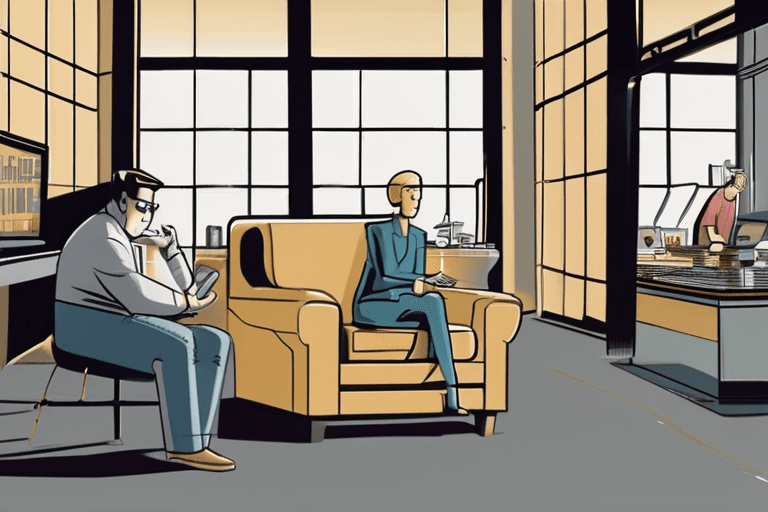
Despite the hype surrounding AI in dating, some individuals are advocating for a return to more traditional methods of meeting people, such as socializing in person, attending events, and relying on introductions from friends. These "IRL" (in real life) approaches emphasize the importance of nonverbal cues, shared experiences, and organic interactions in building meaningful relationships.
The long-term impact of AI on the dating landscape remains uncertain. While AI may offer some benefits in terms of efficiency and personalization, it also raises important questions about the nature of human connection and the role of technology in shaping our relationships. As the dating industry continues to evolve, it is crucial to consider the potential consequences of relying too heavily on AI and to prioritize the human element in the search for love.













Discussion
Join the conversation
Be the first to comment