Protests erupted across Iran as the nation's economy teetered on the brink of collapse. The demonstrations, which began earlier this week, intensified as the Iranian currency plummeted in value, fueled by growing anxiety over a potential resurgence of conflict with Israel. The economic turmoil is compounded by signals from Washington that President Trump would support such a military action.
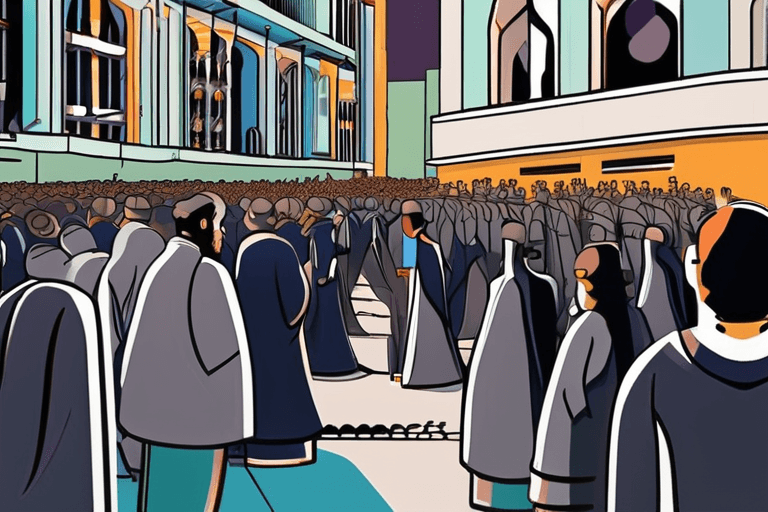
The protests, largely concentrated in major urban centers like Tehran and Isfahan, saw thousands of Iranians voicing their discontent with the government's handling of the economic crisis. Demonstrators chanted slogans criticizing government corruption and calling for economic reforms, according to social media reports and eyewitness accounts. While Iranian state media acknowledged the protests, they downplayed the scale and attributed the unrest to "foreign agitators" seeking to destabilize the country.
The current economic crisis in Iran is rooted in a complex interplay of factors. International sanctions, reimposed after the United States withdrew from the Iran nuclear deal in 2018, have severely restricted Iran's ability to export oil, its primary source of revenue. The sanctions have also limited Iran's access to international financial markets, further squeezing the economy. "The sanctions have had a devastating impact on the Iranian economy," said Dr. Fatima Alavi, an economist specializing in Iranian affairs at the London School of Economics. "They have crippled key industries and made it incredibly difficult for ordinary Iranians to make ends meet."
Adding to the economic woes is the persistent threat of military conflict with Israel. Tensions between the two countries have been simmering for years, with both sides engaging in a shadow war of cyberattacks and covert operations. The possibility of a full-scale war has loomed large, particularly after recent statements from President Trump suggesting a willingness to support Israeli military action. This uncertainty has further destabilized the Iranian currency and fueled capital flight, exacerbating the economic crisis.
The international community is closely monitoring the situation in Iran. The European Union has expressed concern over the economic hardship faced by the Iranian people and has called for de-escalation of tensions in the region. However, the EU's ability to provide meaningful economic relief to Iran is limited by the threat of secondary sanctions from the United States. "The situation in Iran is deeply concerning," said a spokesperson for the EU's foreign policy chief. "We urge all parties to exercise restraint and to work towards a diplomatic solution to the current crisis."
As protests continue, the Iranian government faces a critical juncture. How it responds to the economic grievances of its citizens and navigates the complex geopolitical landscape will determine the country's future stability. The coming days and weeks will be crucial in determining whether Iran can avert a deeper economic collapse and potential escalation of conflict.


















Discussion
Join the conversation
Be the first to comment