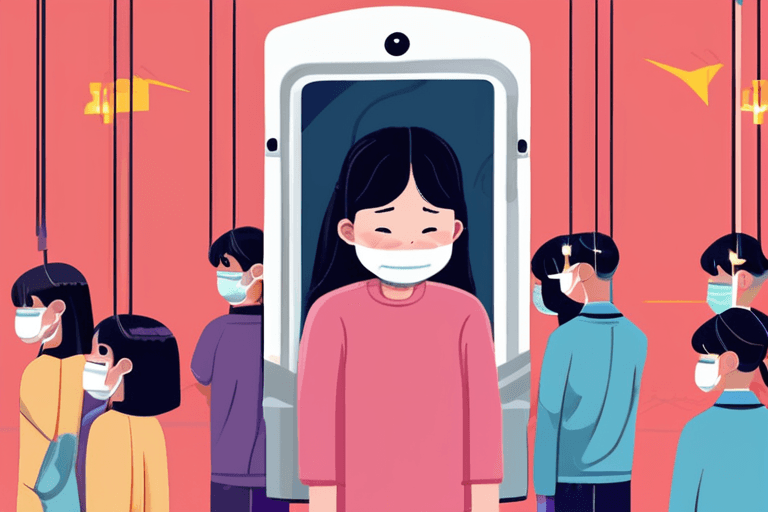
China is proposing new regulations to govern artificial intelligence (AI) products and services, with a focus on protecting children and preventing harmful content. The Cyberspace Administration of China (CAC) published the draft rules over the weekend, outlining measures that AI developers must implement to safeguard minors and address potential risks related to suicide and violence.
The proposed regulations require AI firms to offer personalized settings and time limits on usage for child users. They also mandate obtaining consent from guardians before providing emotional companionship services. This move comes amid growing concerns about the potential impact of AI on young people, particularly the increasing availability of AI-powered chatbots.
According to the CAC, chatbot operators will be required to have a human take over any conversation related to suicide or self-harm. Furthermore, they must immediately notify the user's guardian or an emergency contact in such situations. The rules also aim to prevent AI models from generating content that promotes gambling.
The regulations mark a significant step towards regulating the rapidly evolving AI landscape in China. The technology has faced increased scrutiny this year due to safety concerns. The rules, once finalized, will apply to all AI products and services operating within the country.
The development reflects a global trend of increasing regulatory attention on AI. Governments worldwide are grappling with the challenges of harnessing the benefits of AI while mitigating potential risks. The European Union, for example, is working on its own comprehensive AI Act.
The Chinese government's focus on protecting children and preventing harmful content aligns with broader efforts to promote responsible AI development. The regulations highlight the importance of considering the ethical and societal implications of AI technologies.
The CAC has not yet announced a timeline for finalizing the regulations. The draft rules are currently open for public comment, and it is expected that the administration will consider feedback before implementing the new measures. The move is likely to have a significant impact on the AI industry in China, potentially shaping the development and deployment of AI technologies in the country.















Discussion
Join the conversation
Be the first to comment