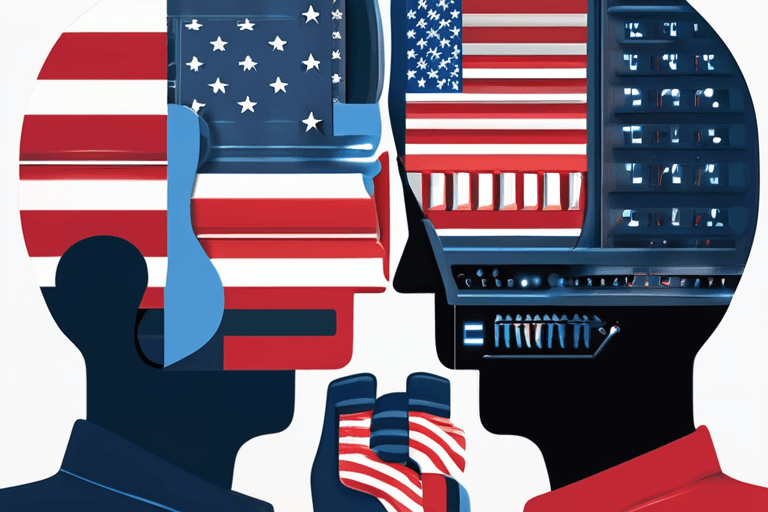
President Donald Trump's second term saw a significant decline in federal data collection across various sectors, according to a report released Dec. 31, 2025. This reduction stemmed from ideological opposition to data, attempts to conceal unfavorable trends, and substantial budget and job cuts that hindered agencies' ability to monitor the nation effectively.
The report, compiled by ClimateInside, highlighted eight key areas where data collection was undermined, including environmental monitoring, public health tracking, employment statistics, demographic surveys, and weather forecasting. Umair Irfan, one of the report's authors, stated that "the administration's approach has been characterized by a 'no data, just vibes' mentality, prioritizing gut feelings over empirical evidence."
The consequences of this data degradation are far-reaching. Reduced data accuracy hinders scientific advancements, obscures the economic landscape for Americans, and potentially leads to missed health crises. For example, changes to environmental monitoring programs made it difficult to assess the true impact of pollution on communities. Similarly, alterations to public health data collection hampered efforts to track and respond to emerging disease outbreaks.
Critics argue that the administration's actions were driven by a desire to control the narrative and downplay inconvenient truths. By limiting data collection, the administration could avoid scrutiny and present a more favorable picture of its policies. Shayna Korol, another author of the report, noted that "the administration has consistently attacked data that contradicts its messaging, undermining the credibility of government agencies."
The long-term impact of these changes remains uncertain. However, experts warn that the erosion of data infrastructure could have lasting consequences for scientific research, economic planning, and public health preparedness. Dylan Scott, a contributor to the report, emphasized that "rebuilding this data infrastructure will require a significant investment of time and resources."
As of Dec. 31, 2025, several organizations are advocating for increased funding and support for federal data collection agencies. These groups are working to raise awareness of the importance of data-driven decision-making and to ensure that future administrations prioritize evidence-based policies. Sara Herschander, another author, said, "The future of our country depends on our ability to collect and analyze data accurately and transparently."



















Discussion
Join the conversation
Be the first to comment