New Jersey has addressed persistent flooding issues by purchasing and demolishing approximately 1,200 properties in flood-prone areas. The initiative aims to mitigate the impact of severe weather events by converting the land into open space.
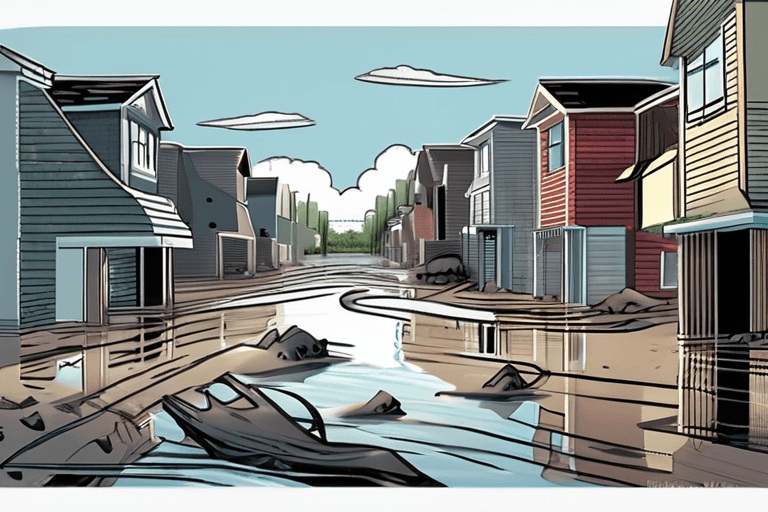
The state-run program targets homes in areas frequently affected by floods, such as Manville, a working-class town of 11,000 residents located about 25 miles southwest of Newark. Manville has a long history of flooding from tropical storms, nor'easters, and heavy rainfall. Richard Onderko recounted a childhood memory of being rescued by boat from his home during a flood caused by Hurricane Doria in 1971. He noted that the constant threat of flooding strained his parents' marriage, eventually leading them to sell their home in 1995. The property was later acquired by the state program in 2015.
The program operates by purchasing properties from willing sellers in designated flood zones. After the purchase, the houses are demolished, and the land is permanently restored to open space, preventing future construction in these vulnerable areas. This approach reduces the risk of property damage and potential loss of life during floods.
The buyout program represents a proactive approach to managing flood risks, rather than relying solely on reactive measures such as building levees or providing disaster relief after floods occur. By removing structures from floodplains, the state aims to reduce overall flood damage and create more resilient communities.
While the program has been praised for its effectiveness in mitigating flood risks, it also raises questions about the long-term implications for communities. The reduction in housing stock can impact local tax revenues and potentially displace residents. Careful planning and community engagement are crucial to ensure that such programs are implemented equitably and sustainably.
The New Jersey program reflects a growing trend of using buyouts and land acquisition as a strategy for adapting to climate change and reducing the impact of extreme weather events. Similar programs are being implemented in other states and countries facing increased flood risks. The success of these programs depends on factors such as funding availability, community support, and the ability to identify and prioritize the most vulnerable properties.



















Discussion
Join the conversation
Be the first to comment