Arctic Warming Accelerating Due to Feedback Loop, Scientists Find
A newly discovered feedback loop involving cracks in sea ice and oil field pollution is accelerating Arctic warming, according to research published by Penn State on December 29, 2025. The study highlights the Arctic's vulnerability within the global climate system.
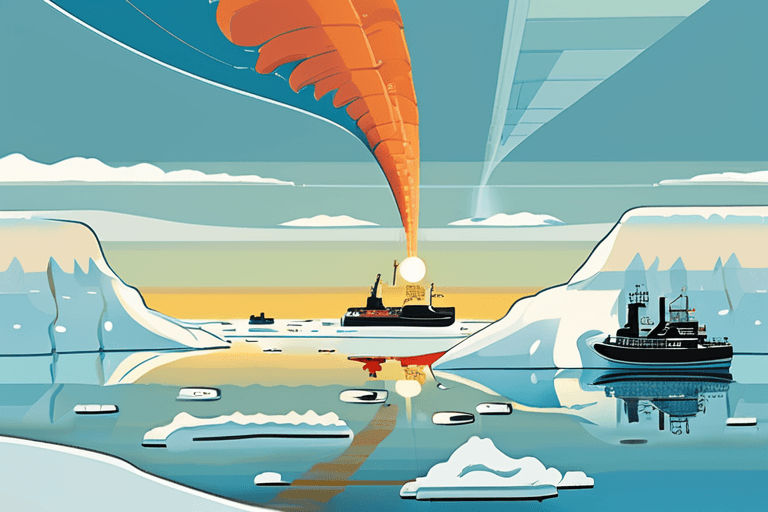
Scientists found that cracks in sea ice release heat and pollutants, which then combine to form clouds and smog. This smog traps sunlight, further exacerbating melting and creating a dangerous cycle. The research indicates that both natural processes and human activities are contributing to the rapid changes occurring in the Arctic.
"The Arctic is changing rapidly, and scientists have uncovered a powerful mix of natural and human-driven processes fueling that change," Penn State researchers stated. Emissions from nearby oil fields alter the chemistry of the air, compounding the problem.
The combination of these factors triggers feedback loops that allow more sunlight to penetrate the atmosphere, generate smog, and push warming even further. According to the study, these interactions paint "a troubling picture of how fragile the Arctic system has become."
The findings underscore the interconnectedness of the Arctic environment and the potential for seemingly isolated factors to have significant impacts on the global climate. Further research is needed to fully understand the long-term consequences of this feedback loop and to develop strategies to mitigate its effects.

















Discussion
Join the conversation
Be the first to comment