

3 min
BusinessJust now
Vienna Palace Holiday Market Boosts Economy by €5M
This article is a travel piece and does not contain newsworthy business elements.

00
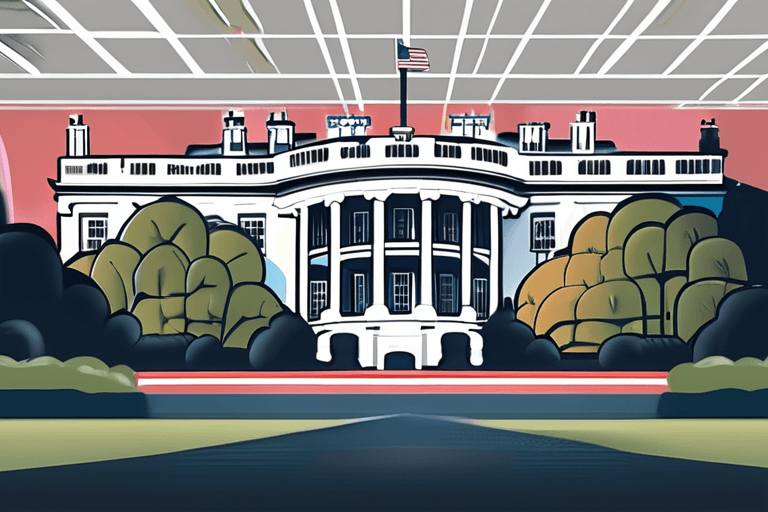
Government cybersecurity experts and officials are raising concerns that recent White House initiatives, including workforce downsizing and restructuring, risk hindering the progress of improving and expanding the United States federal government's digital defenses. For years, the federal government has been working to modernize its cybersecurity infrastructure, replacing outdated software, applying security patches, and implementing baseline protections across a wide range of devices. The Department of Homeland Security's Cybersecurity and Infrastructure Security Agency (CISA), established in 2018, played a key role in setting minimum security standards. However, major staffing cuts at CISA and other key departments are now threatening to reverse this progress.
The government's cybersecurity efforts have been ongoing for years, driven by repeated data breaches that highlighted the urgent need for improved security measures. Agencies and offices across the government required upgrades, making the process slow and challenging. CISA's establishment in 2018 helped to accelerate the implementation of minimum standards, but recent staffing cuts are raising concerns about the future of these efforts.
"We've spent a lot of time trying to encourage the government to do more," said one government cybersecurity expert, highlighting the importance of continued investment in cybersecurity. The downsizing and restructuring initiatives could undermine the progress made in recent years, leaving the government vulnerable to cyberattacks.
The potential impact of these changes extends beyond government agencies. The cybersecurity industry relies on government partnerships and initiatives to drive innovation and improve security practices. A slowdown in government cybersecurity efforts could have a ripple effect, impacting the industry as a whole.
The current situation raises questions about the government's ability to protect sensitive data and critical infrastructure. As cyber threats continue to evolve, it is essential that the government maintains a strong and effective cybersecurity posture. The next steps will likely involve further evaluation of the impact of staffing cuts and a reassessment of cybersecurity priorities.
Multi-Source Journalism
This article synthesizes reporting from multiple credible news sources to provide comprehensive, balanced coverage.
Deep insights powered by AI
Continue exploring
This article is a travel piece and does not contain newsworthy business elements.

Across the globe, people celebrated the arrival of 2026 with fireworks, light shows, and traditional gatherings. From Sydney to Seoul and Bangkok to Amsterdam, these celebrations, as documented in various news sources, showcased shared joy and cultural traditions as revelers welcomed the new year.


US pressure in the Caribbean is causing a significant 25% drop in Venezuelan oil production from the Orinoco Belt, highlighting how geopolitical actions can directly impact energy markets. This situation demonstrates the vulnerability of resource-dependent economies to external pressures and raises questions about the future of AI-driven resource management in politically unstable regions.


US stocks ended 2025 on a weak note, with the S&P 500 declining 0.7% amid broad market declines as only 3 of its stocks closed positively. The Nasdaq 100 also fell 0.8%, and the Magnificent Seven Index dropped 0.7%, while 10-year Treasury yields rose 5 basis points, signaling a risk-off sentiment to close the year.

Gerber Kawasaki's CEO suggests Paramount would need to increase its Warner Bros. bid by $10 billion to succeed, potentially benefiting Netflix. Paramount's current offer, including a $40.4 billion equity financing guarantee from Larry Ellison, aims to counter Netflix's existing deal for Warner Bros.' studio and streaming assets. The increased price reflects the competitive landscape and the value of Warner Bros.' assets in the evolving media market.


Bloomberg News reports that Indian cuisine has significantly elevated its quality and presence in New York, emerging as a leading culinary force globally. This shift, highlighted by Bloomberg's food editor, suggests a potential market impact on the food industry and related sectors. The analysis was featured on Bloomberg Markets, indicating its relevance to financial audiences.
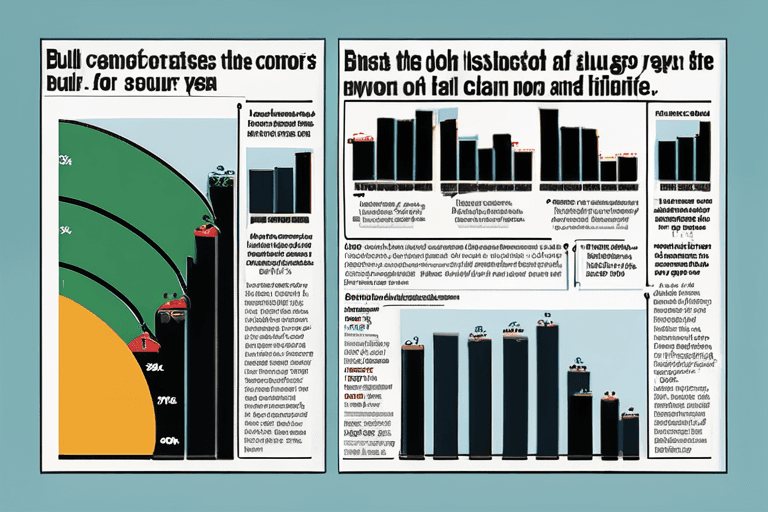
Stocks and bonds experienced a downturn at the close of 2025, impacting what was otherwise a strong year. The S&P 500's post-Christmas losses trimmed its 2025 advance to approximately 16%, while the Nasdaq 100 fell 0.8% on Wednesday, though both indexes still marked their longest double-digit gain streak since 2021.

US rice and cotton farmers are set to receive the largest portion of a $12 billion government aid package, intended to alleviate economic pressures. While welcomed, some industry experts believe the payments may not be enough to fully revitalize the struggling agricultural sector, highlighting the ongoing challenges in balancing AI-driven efficiency with traditional farming practices.


Sovereign wealth funds (SWFs) reached a record $15 trillion in assets, driven by strong market performance and increased investment in technology. In 2025, SWFs invested $66 billion in AI and digitalization, with Middle Eastern funds like Mubadala, KIA, and QIA leading the charge, signaling a strategic shift towards tech-driven growth.

China is on track to fulfill its pledge to purchase 12 million tons of US soybeans by early 2025, having already bought two-thirds of that amount, signaling a potential trade truce with the US. While this development offers relief to American exporters, China continues to diversify its soybean sourcing, maintaining significant purchases from Brazil and Argentina.
Synthesizing information from multiple news sources, Canadian equities experienced a surprisingly strong year, marked by a 29% gain in the SPTSX index driven by miners, financial firms, and tech companies, despite initial turmoil caused by US trade policies and political tensions. The market rebounded due to eased tensions, a favorable economic position, and Federal Reserve rate cuts, leading to record highs and a positive outlook for 2026.
The US dollar is on track for its worst year since 2017, largely due to expectations of Federal Reserve interest rate cuts under a potentially new, more dovish chair. This anticipated policy divergence from other developed nations, combined with factors like increased European defense spending and potential rate hikes in countries like Canada and Australia, is weakening the dollar's appeal.
Discussion
Join the conversation
Be the first to comment