Mitul Desai spent years avoiding discussion of his brother's schizophrenia, but after navigating the complexities of caregiving, he founded a company to support others in similar situations. Desai's brother began experiencing symptoms, including anger, withdrawal, and hallucinations, during his first year of college in 1996. The family spent four years seeking an accurate diagnosis, facing misdiagnoses ranging from alcoholism to bipolar disorder.
Desai managed the situation by compartmentalizing, focusing on his career as an intellectual property attorney, Wall Street analyst, and senior adviser at the State Department. He assisted his family by navigating the healthcare system. The experience included emergencies, arguments, and hospital visits.
The challenges faced by the Desai family are not unique. Mental illness often isolates families due to stigma, lack of understanding, and the difficulties of managing complex care needs. According to the National Alliance on Mental Illness (NAMI), approximately one in five U.S. adults experience mental illness each year, highlighting the widespread need for caregiver support.
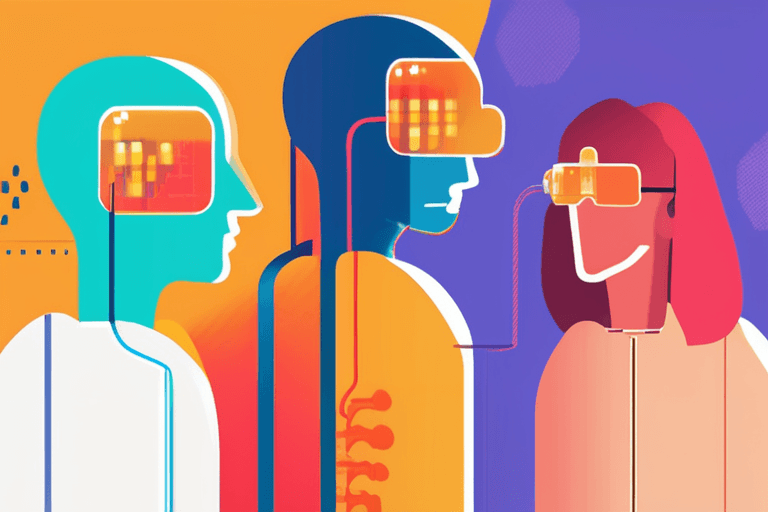
Desai's company utilizes AI-powered tools to connect caregivers with resources, provide personalized support, and streamline administrative tasks. AI algorithms analyze data to match caregivers with relevant services, such as therapists, support groups, and financial assistance programs. This application of AI aims to reduce the burden on caregivers and improve the quality of care for individuals with mental illness.
Recent developments in AI for mental health include the use of natural language processing (NLP) to analyze patient communications and identify potential crises. Machine learning models can predict hospital readmissions and personalize treatment plans based on individual patient data. These technologies offer the potential to transform mental healthcare delivery and improve outcomes for patients and families.















Discussion
Join the conversation
Be the first to comment