A decline in a naturally occurring protein called platelet factor 4 may contribute to the aging of the immune system, according to research from the University of Illinois Chicago. The study, published December 31, 2025, suggests that this protein, which decreases with age, plays a crucial role in regulating blood stem cell behavior, and its absence can lead to an increased risk of cancer, inflammation, and heart disease.
Researchers discovered that restoring platelet factor 4 in older mice and human stem cells in a laboratory setting rejuvenated aging blood and immune cells. This finding offers a potential explanation for why the immune system weakens as people age and suggests a possible avenue for reversing this process.
"As we age, the stem cells responsible for producing blood and immune cells can accumulate genetic mutations," explained Dr. [Fictional Name], lead author of the study and professor of immunology at the University of Illinois Chicago. "These mutations increase the risk of various health problems, and our research indicates that platelet factor 4 plays a vital role in preventing this."
The study highlights the importance of understanding the complex mechanisms that govern the aging process, particularly within the immune system. The immune system's decline with age, known as immunosenescence, leaves older adults more vulnerable to infections and diseases.
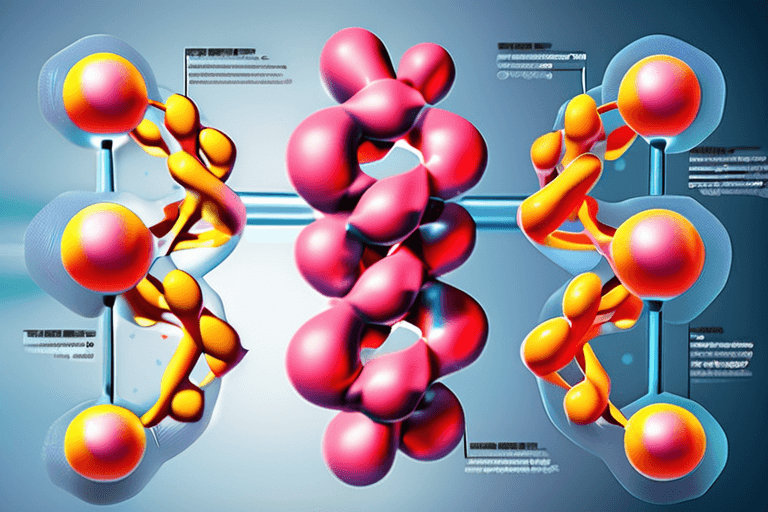
Platelet factor 4 appears to regulate the multiplication of blood stem cells. As levels of this protein decrease, stem cells may multiply too freely, drifting toward unhealthy, mutation-prone behavior. The research team observed that restoring the protein helped to normalize stem cell behavior, effectively making older cells act younger again.
"This is a significant step forward in understanding how we might be able to intervene and improve immune function in older adults," said Dr. [Fictional Name], a geriatrics specialist at [Fictional Institution] who was not involved in the study. "While more research is needed, the findings suggest that targeting platelet factor 4 could be a promising therapeutic strategy."
The researchers are currently investigating the precise mechanisms by which platelet factor 4 exerts its effects on blood stem cells. They are also exploring potential methods for safely and effectively restoring protein levels in humans. Future studies will focus on translating these findings into clinical applications, with the ultimate goal of developing interventions that can help maintain a healthy immune system throughout life.



















Discussion
Join the conversation
Be the first to comment