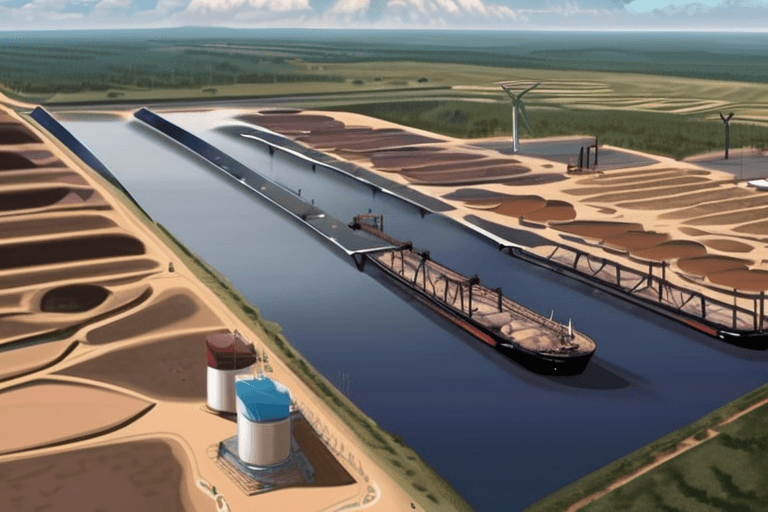
The decline in production stems from U.S. forces limiting exports in the Caribbean Sea and the threat of land strikes, further pressuring the Nicolás Maduro regime. PDVSA has initiated the shutdown of oil wells in certain fields due to insufficient storage capacity and export limitations. The company is struggling to move its product to market, leading to a glut of oil in storage facilities.
The Orinoco Belt is crucial to Venezuela's oil industry, holding vast reserves of heavy crude. However, years of underinvestment, mismanagement, and U.S. sanctions have crippled PDVSA's ability to maintain production levels. The recent increase in U.S. pressure has exacerbated these existing challenges.
The U.S. government has maintained sanctions against Venezuela, aiming to pressure Maduro to hold free and fair elections. These sanctions restrict PDVSA's access to international markets and limit its ability to import necessary equipment and technology. The U.S. has also increased its naval presence in the Caribbean, ostensibly to combat drug trafficking, but this has also served to monitor and potentially disrupt Venezuelan oil exports.
Analysts suggest that the current situation could further destabilize Venezuela's economy, which is heavily reliant on oil revenues. A prolonged period of reduced oil production could lead to increased shortages of essential goods and services, further exacerbating the humanitarian crisis in the country. The Maduro regime has consistently blamed U.S. sanctions for Venezuela's economic woes, while critics argue that government mismanagement and corruption are the primary drivers of the crisis.
The situation remains fluid, and the future of Venezuela's oil industry hinges on several factors, including the trajectory of U.S. policy, PDVSA's ability to secure alternative export routes, and the potential for political change within Venezuela. The next few weeks will be critical in determining whether PDVSA can stabilize production and avert a further decline in output.



















Discussion
Join the conversation
Be the first to comment