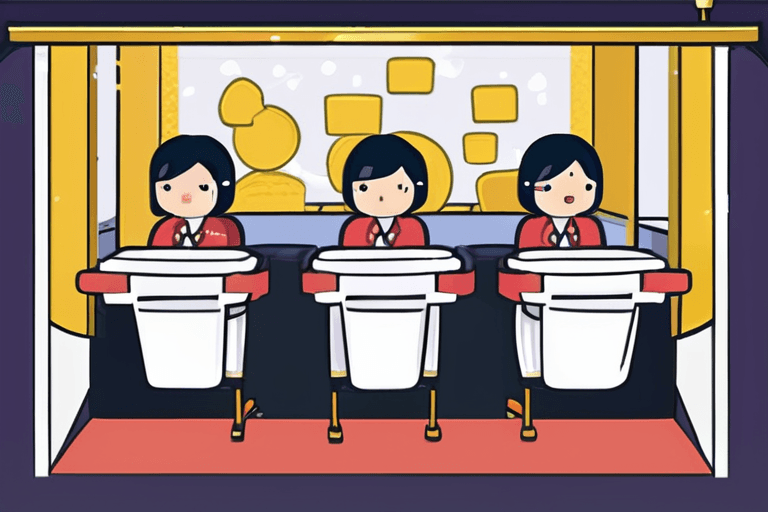
Nearly 60 female lawmakers in Japan, including Prime Minister Sanae Takaichi, submitted a petition calling for more toilets in the parliament building to better accommodate their growing numbers. The petition highlights a significant disparity: only one lavatory, containing two cubicles, serves the 73 women in the lower house near the Diet's main plenary session hall in central Tokyo.
The lack of adequate facilities reflects the broader challenges women face in Japanese politics, which remains largely male-dominated. The number of women in parliament increased in the last election, and Takaichi became the first female prime minister in October, marking progress, but infrastructural inequalities persist. "Before plenary sessions start, truly so many women lawmakers have to form long queues in front of the restroom," the petition stated, illustrating the daily inconvenience and potential hindrance to their work.
Takaichi's involvement in the petition is notable, especially considering her past statements on gender equality. Before becoming prime minister, she expressed a desire to see Nordic levels of gender balance in Japan. However, her cabinet appointments included only two other women, raising questions about the pace of change.
The situation in Japan mirrors similar struggles for women in political spheres globally, where historical biases often manifest in inadequate facilities and systemic barriers. While increased representation is a crucial step, ensuring women have the resources and infrastructure to fully participate is equally important. The petition underscores the need for tangible changes that support women's inclusion and effectiveness in parliament. The next steps following the submission of the petition remain unclear, but the lawmakers hope to see swift action to address the restroom shortage and create a more equitable environment.


















Discussion
Join the conversation
Be the first to comment