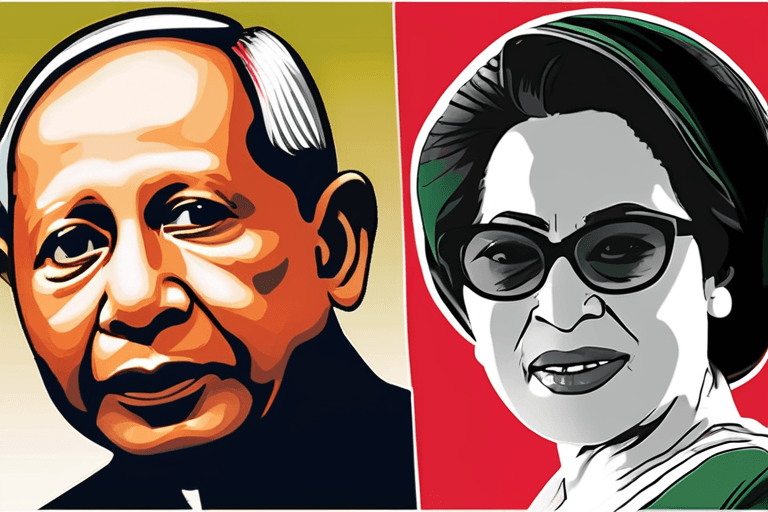
Khaleda Zia, the three-time prime minister and long-time leader of the Bangladesh Nationalist Party (BNP), died Tuesday at Evercare Hospital in Dhaka, Bangladesh, after receiving treatment since November 23. Her death raises questions about the future leadership of the BNP and the potential for her son, Tarique Rahman, to build upon her legacy.
Supporters, party leaders, and citizens gathered outside the hospital, mourning Zia's death. "The news made it impossible for us to stay at home," said BNP activist Riyadul Islam. "Since there is no opportunity to see her, everyone is waiting outside. There are tears in everyone's eyes." Her funeral Wednesday at Dhaka's Manik Mia Avenue drew tens of thousands of BNP supporters.
Zia's death comes after a prolonged period of ill health. While the specific cause of death was not immediately released, she had been reportedly suffering from complications related to diabetes, kidney, and heart conditions. Medical experts emphasize that managing these conditions often requires a multidisciplinary approach, including medication, lifestyle adjustments, and, in some cases, advanced interventions.
Tarique Rahman, the BNP's acting chairman, returned to Dhaka on December 25, 2025, after 17 years of self-imposed exile in London. His return sets the stage for a potential succession, but questions remain about his ability to unite the party and navigate the complex political landscape of Bangladesh. Rahman faces legal challenges, including convictions on corruption charges, which could hinder his political ambitions.
The BNP has faced internal divisions and external pressures in recent years. Political analysts suggest that Rahman's leadership will be crucial in revitalizing the party and challenging the ruling Awami League. However, his past controversies and the need to address internal factions present significant hurdles.
The future direction of the BNP under Rahman remains uncertain. The party is expected to hold internal discussions in the coming weeks to determine its leadership structure and strategic priorities. The upcoming national elections will be a key test of Rahman's ability to mobilize support and present a viable alternative to the current government.

















Discussion
Join the conversation
Be the first to comment