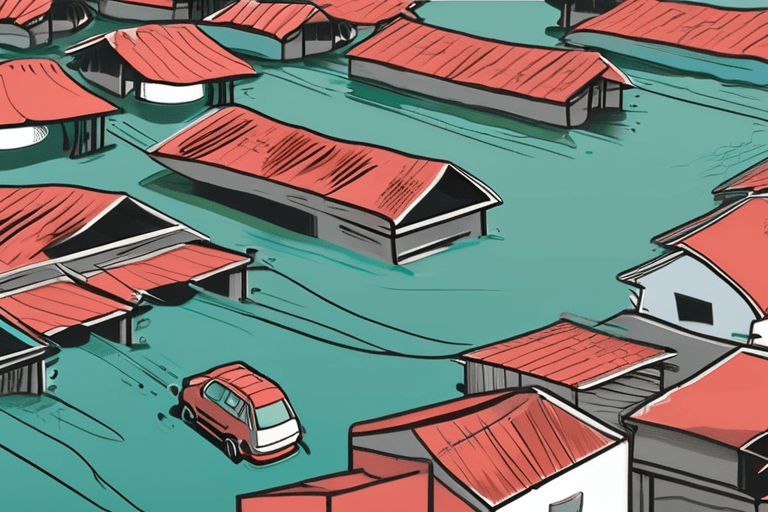
Flash floods in Aceh Province, Indonesia, last November have left remote communities struggling with a slow recovery, fueling frustration among residents. The disaster, which struck villages across a 200-mile stretch of Sumatra island, destroyed homes and infrastructure, leaving many residents feeling abandoned.
In Sekumur village, Fauzi recounted how the river surged to the height of a coconut tree, leaving his house buried under a 10-foot pile of logs. Zulfikar, another survivor from further northwest, described the flood as a "doomsday," characterized by a torrent of black water carrying debris. Even coastal communities that had rebuilt after the 2004 tsunami were devastated, with Nur Hayati stating, "This is more devastating than the tsunami. The land where my house was bui."
The floods were triggered by heavy rainfall and exacerbated by deforestation, according to local environmental groups. The rapid loss of forest cover in the region has reduced the land's capacity to absorb rainwater, increasing the risk of flash floods and landslides. The disaster highlighted the vulnerability of communities living in remote areas with limited access to resources and infrastructure.
The Indonesian government has deployed helicopters to deliver relief supplies to isolated villages like Babo, but residents say the aid is insufficient and the recovery process is too slow. Many are still living in temporary shelters, struggling to rebuild their homes and livelihoods. The lack of clean water and sanitation facilities has also raised concerns about the spread of disease.
The slow recovery has sparked anger and resentment among affected communities, who feel neglected by the government. Some residents have accused local authorities of corruption and mismanagement of relief funds. The disaster has also exposed the deep-seated inequalities in Indonesian society, with marginalized communities bearing the brunt of the impact.
Looking ahead, the Indonesian government faces the challenge of addressing the underlying causes of the floods, including deforestation and unsustainable land use practices. Experts say that a comprehensive approach is needed, involving reforestation efforts, improved disaster preparedness, and greater investment in infrastructure in remote areas. The government also needs to ensure that relief efforts are transparent and accountable, and that the voices of affected communities are heard. The long-term recovery of Aceh Province will depend on the government's ability to learn from this disaster and build a more resilient and equitable society.





















Discussion
Join the conversation
Be the first to comment