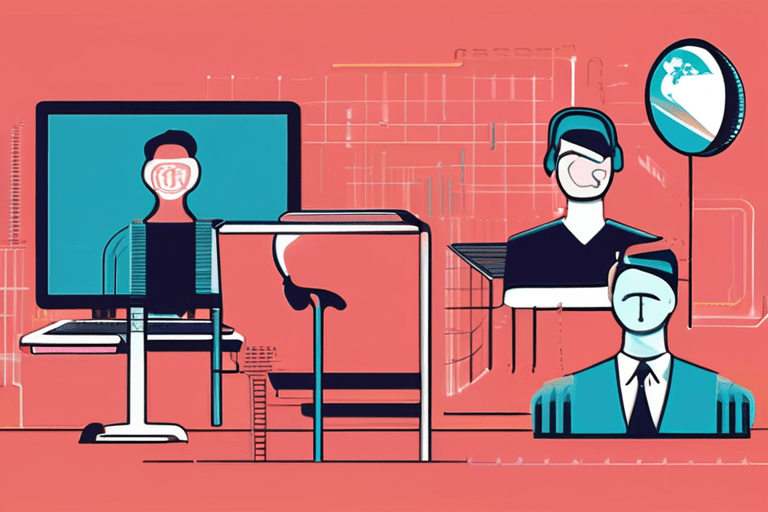
Researchers have explored the complex dynamics of how individuals weigh their inclination to voice opinions against their apprehension of potential repercussions, according to a paper published in the Proceedings of the National Academy of Sciences. The study delves into the phenomenon of self-censorship, particularly in light of social media's evolving landscape and the emergence of advanced technologies used for surveillance and content moderation.
The research builds upon the authors' previous work on political polarization, which concluded as social media platforms were undergoing significant shifts in their moderation policies. These changes ranged from hands-off approaches with minimal intervention to more stringent content control, exemplified by platforms like Weibo. The paper examines how these varying levels of moderation, coupled with tools like facial recognition and sophisticated algorithms, impact people's decisions to speak out or remain silent.
Freedom of speech is a cornerstone of democratic societies, making it a frequent target for authoritarian regimes seeking to suppress dissent. The study suggests that when the perceived threat from authorities reaches a certain threshold, individuals are more likely to self-censor to avoid potential punishment. Social media has further complicated this dynamic by blurring the lines between public and private discourse.
The researchers aim to provide a nuanced understanding of the factors influencing self-censorship in the digital age. By analyzing these dynamics, they hope to shed light on the challenges to free expression posed by both governmental control and platform governance. The findings could inform future discussions on content moderation policies and the protection of free speech in online environments.












Discussion
Join the conversation
Be the first to comment