Have you ever felt velvetmist? It’s a complex and subtle emotion, a tapestry woven with threads of comfort, serenity, and a gentle sense of floating. Imagine a peacefulness deeper than contentment, more ephemeral, intangible. Perhaps the sight of a sunset painted across a bruised sky could evoke it, or the melancholic strains of a low-key album. If the word, or the feeling, is foreign, you're not alone. Velvetmist is a neo-emotion, a feeling freshly minted in the digital age.
The term originated, surprisingly, from a Reddit user named noahjeadie, who coaxed it into existence with the help of ChatGPT. Noahjeadie even offered instructions on how to cultivate it: the right essential oils, the perfect soundtrack, and suddenly, you too could feel like a soft, fuzzy, draping ghost floating through a lavender suburb. While it might sound like a whimsical internet oddity, velvetmist is a symptom of a larger, more profound shift in how we understand and experience emotions.
This isn't just about quirky internet trends. Researchers are noticing a surge in these neo-emotions, newly coined terms that attempt to capture previously unnamed dimensions of feeling. Velvetmist, in fact, was a key example cited in a July 2025 journal article exploring this very phenomenon. The article highlighted how these emotions, often born online, reflect our evolving relationship with the world and our inner lives. While velvetmist might have been a chatbot-assisted creation, the vast majority of neo-emotions spring from human minds grappling with a rapidly changing reality.
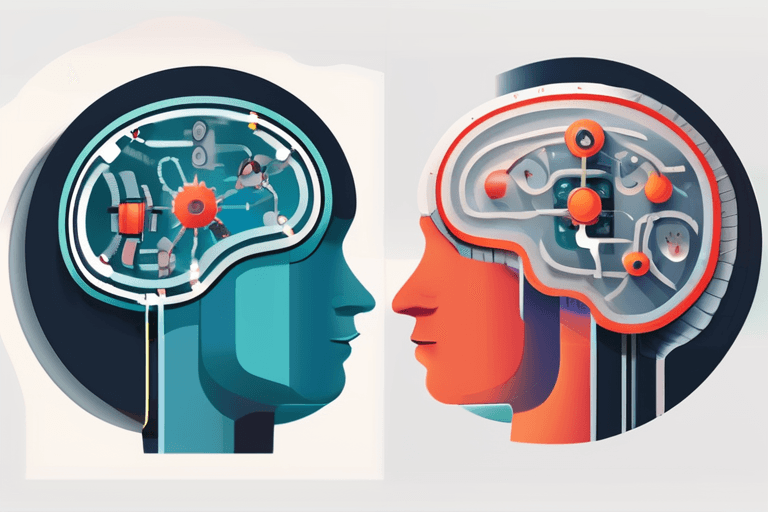
The sociological implications are significant. For decades, the prevailing view in psychology held that humans possessed a limited, universal set of basic emotions – happiness, sadness, anger, fear, surprise, and disgust. Everything else was considered a variation or combination of these core feelings. But the rise of neo-emotions challenges this established framework. It suggests that our emotional landscape is far more fluid and adaptable than previously thought. We are not simply experiencing pre-programmed responses; we are actively creating new ways to feel, to understand, and to articulate our inner experiences.
"The ability to name an emotion is incredibly powerful," explains Dr. Anya Sharma, a leading researcher in affective computing. "It allows us to validate our experiences, to connect with others who feel similarly, and ultimately, to better understand ourselves. When we lack the vocabulary to describe a feeling, it can feel isolating and confusing." This is where neo-emotions come in. They provide the linguistic tools to navigate the complexities of modern life, from the anxieties of social media to the existential dread of climate change.
Consider "sonder," another popular neo-emotion, defined as the realization that every passerby has a life as vivid and complex as your own. This feeling, often triggered by urban environments, captures a specific type of empathy and connection that arguably didn't exist in the same way before the advent of densely populated cities. Similarly, emotions like "digital fatigue" or "doomscrolling despair" reflect the unique challenges of living in a hyper-connected world.
The role of AI in this emotional evolution is also noteworthy. While velvetmist was born from a collaboration with ChatGPT, the technology's broader impact lies in its ability to analyze and understand human emotions at scale. AI algorithms can now detect subtle emotional cues in text, speech, and even facial expressions. This capability has profound implications for fields like mental health, customer service, and even political campaigning. However, it also raises ethical concerns about emotional manipulation and the potential for AI to be used to exploit our vulnerabilities.
Looking ahead, the creation and adoption of neo-emotions are likely to accelerate. As our world becomes increasingly complex and interconnected, we will need new ways to describe and navigate our emotional experiences. Whether these emotions are born from human ingenuity or AI collaboration, they represent a powerful testament to our capacity for adaptation and our enduring quest to understand the human condition. The feeling of velvetmist, whether fleeting or profound, is just the beginning. It's a glimpse into a future where our emotional vocabulary is as diverse and dynamic as the world we inhabit.











Discussion
Join the conversation
Be the first to comment