Researchers explored the complex dynamics of how individuals weigh their desire to express their opinions against their fear of potential repercussions, according to a paper published in the Proceedings of the National Academy of Sciences. The study delves into the science behind the decision-making process of speaking out versus self-censoring, a critical aspect of societal health, particularly in the context of rising authoritarianism and the evolving landscape of social media.
The research builds upon the authors' previous work on a model of political polarization. This earlier project concluded around the same time social media platforms were undergoing significant shifts in their moderation policies. Some platforms adopted a hands-off approach with minimal intervention, while others, like Weibo, implemented stricter moderation practices. These varying approaches provided a real-world backdrop for examining the theoretical models developed by the researchers.
The study highlights the fundamental role of freedom of speech in healthy democracies, noting that it often becomes a primary target for authoritarian regimes seeking to suppress dissent. The point at which a population chooses self-censorship over risking punishment from authorities is a key area of investigation.
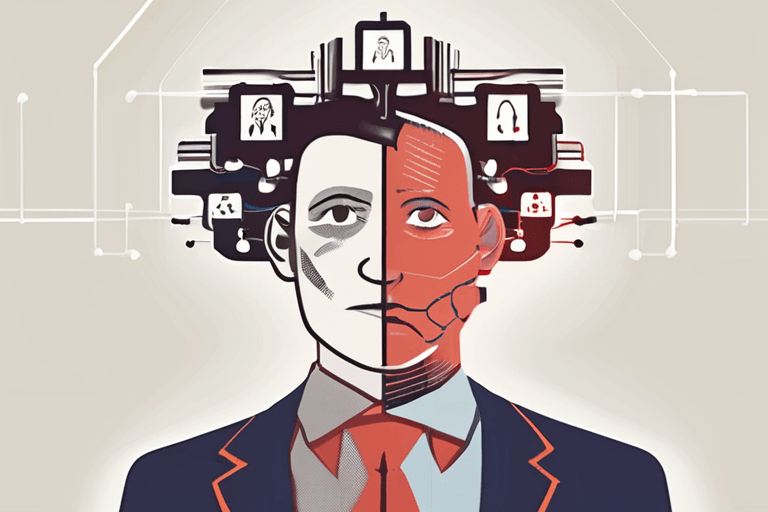
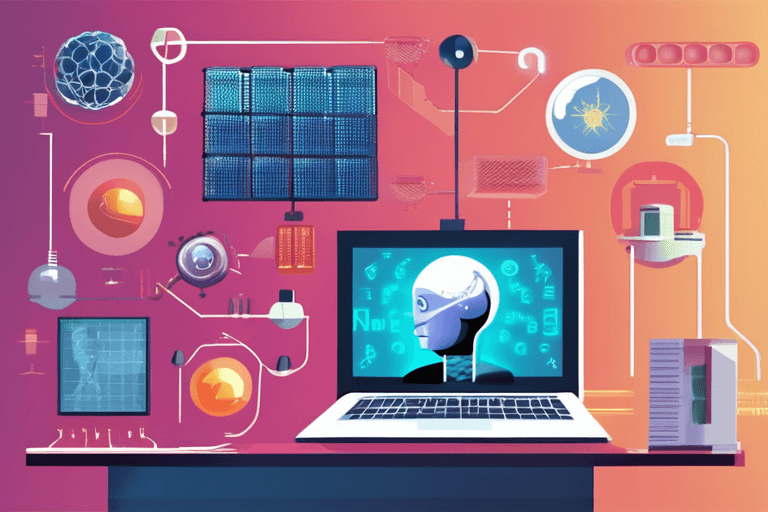
Social media's influence further complicates the issue by blurring the lines between public and private discourse. Emerging technologies, such as facial recognition and sophisticated moderation algorithms, provide authoritarian entities with increasingly powerful tools to monitor and control speech. The researchers aim to understand how these factors interact to influence individual choices regarding self-expression.
The findings of this research could have significant implications for understanding and addressing the challenges to free speech in the digital age. By illuminating the factors that drive self-censorship, the study may inform strategies for promoting open dialogue and protecting democratic values in an increasingly complex information environment. Further research is planned to explore the impact of specific moderation policies on self-censorship rates across different social media platforms.














Discussion
Join the conversation
Be the first to comment