Have you ever felt velvetmist? It’s a complex and subtle emotion that elicits feelings of comfort, serenity, and a gentle sense of floating. Peaceful, yet more ephemeral and intangible than contentment. Perhaps evoked by the sight of a sunset, or a moody, low-key album. If you haven't ever felt this sensation – or even heard of it – that's not surprising. Velvetmist, you see, is brand new.
A Reddit user named noahjeadie generated it with ChatGPT, along with advice on how to evoke the feeling. With the right essential oils and soundtrack, apparently, you too can feel like a soft, fuzzy, draping ghost floating through a lavender suburb.
Don't scoff. While velvetmist might sound like a whimsical creation, it represents a fascinating trend: the burgeoning world of neo-emotions. Researchers say more and more terms for these novel feelings are showing up online, describing new dimensions and aspects of human experience. Velvetmist was even a key example in a journal article about the phenomenon published in July 2025. But most neo-emotions aren't the inventions of emo artificial intelligences. Humans come up with them, and they're part of a big change in the way researchers are thinking about feelings, one that emphasizes how people continuously spin out new ones in response to a changing world.
So, why are we inventing new emotions, and why does it feel so good? The answer lies in the intersection of technology, psychology, and the ever-evolving human experience.
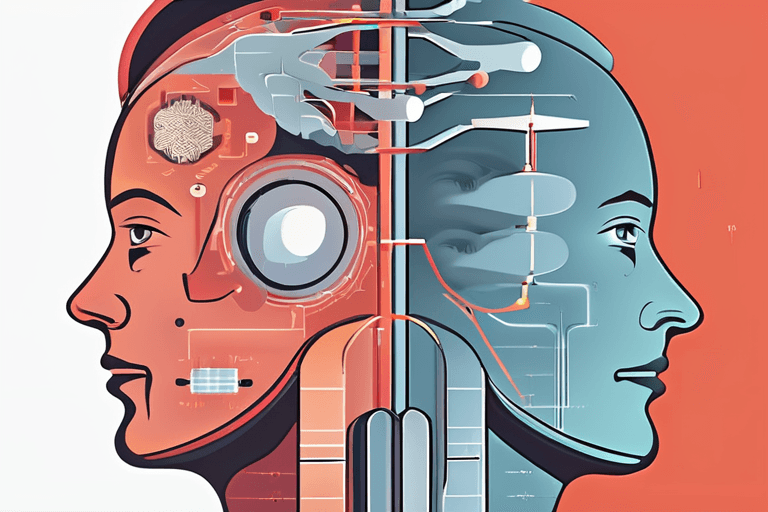
The ability of AI, particularly large language models like ChatGPT, to generate novel concepts, including emotions, is rooted in their architecture. These models are trained on massive datasets of text and code, learning to identify patterns and relationships between words and concepts. When prompted, they can combine these learned associations in new and unexpected ways, resulting in the creation of something entirely original. In the case of velvetmist, the AI likely drew upon existing concepts of comfort, serenity, and ethereality, blending them into a unique emotional cocktail.
But the real story isn't about AI's creative capabilities; it's about why humans are so receptive to these new emotional concepts. According to Dr. Anya Sharma, a leading researcher in affective computing, the rise of neo-emotions reflects a growing need to articulate the complexities of modern life. "Our world is changing at an unprecedented pace," she explains. "We're bombarded with information, exposed to diverse cultures, and facing new challenges like climate change and technological disruption. Our existing emotional vocabulary simply isn't sufficient to capture the full spectrum of our experiences."
Think about the feeling of "doomscrolling" – endlessly consuming negative news online. While anxiety and sadness might be components of that experience, they don't fully encapsulate the unique blend of helplessness, morbid curiosity, and addictive behavior that characterizes it. A neo-emotion could provide a more precise and nuanced way to describe and understand this phenomenon.
The act of naming an emotion, even a newly invented one, can be incredibly empowering. It allows us to validate our experiences, connect with others who feel the same way, and develop strategies for coping with difficult emotions. "When we can name something, we can tame it," says Dr. Sharma. "Giving a label to a previously amorphous feeling allows us to bring it into conscious awareness and begin to process it."
Furthermore, the creation and sharing of neo-emotions foster a sense of community and belonging. Online forums and social media platforms provide spaces for individuals to share their emotional inventions, discuss their meanings, and explore their potential applications. This collaborative process can lead to a deeper understanding of human emotions and the development of new therapeutic approaches.
Of course, the rise of neo-emotions also raises some important questions. How do we distinguish between genuine emotional experiences and fleeting trends? How can we ensure that these new emotions are used to promote well-being rather than to manipulate or exploit individuals? These are complex issues that require careful consideration.
Looking ahead, the field of affective computing is poised to play an increasingly important role in understanding and shaping our emotional lives. AI-powered tools can be used to analyze emotional language, identify emerging emotional trends, and even personalize emotional interventions. Imagine a future where AI can help us to cultivate positive emotions, manage stress, and build stronger relationships.
Ultimately, the story of velvetmist and other neo-emotions is a story about human resilience and adaptability. In a world that is constantly changing, our ability to invent new ways of feeling and expressing ourselves is a testament to our enduring capacity for creativity and connection. So, the next time you encounter a new emotion, don't dismiss it as mere novelty. Embrace it as an opportunity to expand your emotional vocabulary and deepen your understanding of the human experience. You might just discover a feeling you never knew you were missing.














Discussion
Join the conversation
Be the first to comment