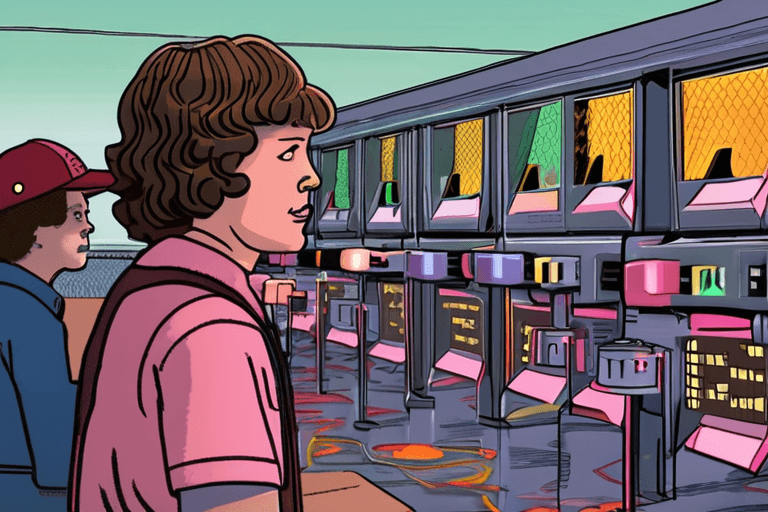
The sci-fi horror series "Stranger Things" concluded its 10-year run with a dramatic two-hour finale, released at 01:00 GMT, briefly overloading Netflix servers. The final episode, titled Chapter Eight: The Rightside Up, featured massive battle scenes and emotional tributes, drawing viewers to special cinema screenings in cities across the US and Canada, some of which were attended by the show's stars.
Several fans reported encountering error messages when attempting to stream the finale, a common occurrence with major releases on streaming platforms, according to Netflix representatives. The issue was quickly resolved, allowing viewers to access the episode.
Set in the fictional town of Hawkins, Indiana, "Stranger Things" first aired in 2016 and stars Millie Bobby Brown, Winona Ryder, and David Harbour. The series gained popularity for its blend of science fiction, horror, and 1980s nostalgia. Christal Hayes of BBC noted the emotional impact of the finale, highlighting the culmination of character arcs developed over the show's five seasons.
The show's success reflects a broader trend of streaming services utilizing algorithms to predict viewer preferences and tailor content recommendations. These algorithms analyze viewing habits, ratings, and demographic data to suggest shows and movies that users are likely to enjoy. This personalized approach, while enhancing user experience, also raises questions about the potential for filter bubbles and the homogenization of cultural tastes.
The use of AI in entertainment extends beyond recommendation systems. AI is increasingly being used in scriptwriting, character development, and even visual effects. While AI cannot fully replace human creativity, it can assist writers and artists in generating ideas, streamlining workflows, and creating more immersive experiences.
The future of entertainment will likely see even greater integration of AI, potentially leading to personalized narratives and interactive storytelling. However, ethical considerations surrounding AI's role in creative industries, including copyright issues and the potential displacement of human artists, will need to be addressed as these technologies continue to evolve.














Discussion
Join the conversation
Be the first to comment