The excavation, conducted in 2017 and 2018, unearthed 170 human bone fragments, believed to be from an adult woman under 1.5 meters (5ft) tall, clustered within layers of ash, charcoal, and sediment. The discovery provides a rare glimpse into the funerary practices and social complexity of these early communities.
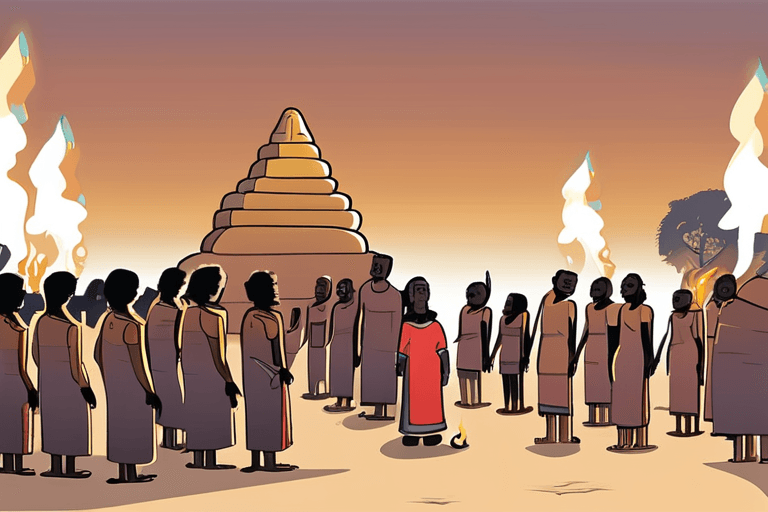
The research team, working at the site, suggests the cremation indicates a deliberate and symbolic act, reflecting the hunter-gatherers' beliefs about death and the afterlife. The presence of an adult individual further emphasizes the significance of the ritual within their social structure.
The find challenges previous assumptions about the development of complex social behaviors and funerary practices, suggesting they emerged earlier than previously thought among African hunter-gatherer societies. This discovery adds to the growing body of evidence demonstrating the sophistication and cultural richness of ancient African populations.
Further analysis of the bone fragments and surrounding materials is planned to glean more information about the individual, the cremation process, and the environment in which it took place. The research team hopes to uncover additional details about the beliefs and practices of these ancient hunter-gatherers and their place in human history.
















Discussion
Join the conversation
Be the first to comment