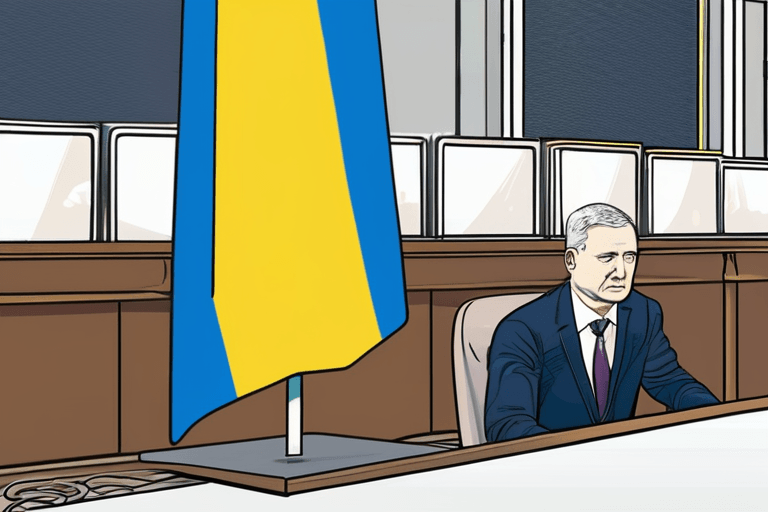
Ukrainians are reflecting on the broken security assurances they received in 1994 when they relinquished their nuclear arsenal, as they engage in current negotiations with Russia to end the ongoing war. The demand for ironclad security guarantees to prevent future invasions is a key point of contention for Ukraine in any potential agreement with Russia.
The 1994 Budapest Memorandum saw Ukraine give up what was then the world's third-largest nuclear arsenal in exchange for security assurances from Russia, the United States, and the United Kingdom. These assurances were meant to protect Ukraine's sovereignty and territorial integrity. However, Russia's annexation of Crimea in 2014 and the full-scale invasion in 2022 demonstrated the failure of these guarantees.
According to NPR's Eleanor Beardsley, Ukrainians are wary of repeating the mistakes of the past. "Ukrainians recall their country giving up nuclear weapons in 1994 in exchange for international security promises that weren't kept," Beardsley reported. "They don't want a repeat in their current negotiations with Russia."
The Museum of Strategic Missile Forces, located at a former Soviet intercontinental ballistic missile launch site in southern Ukraine, serves as a stark reminder of the country's nuclear past and the security promises that were broken. The museum highlights the complex history and the difficult choices Ukraine faced in the post-Soviet era.
The current negotiations between Ukraine and Russia are aimed at finding a peaceful resolution to the conflict. However, the legacy of the Budapest Memorandum casts a long shadow over these discussions, making Ukraine particularly cautious about accepting any security assurances that are not backed by concrete actions and guarantees. The international community is closely watching the negotiations, with many hoping for a resolution that respects Ukraine's sovereignty and ensures lasting peace in the region.
















Discussion
Join the conversation
Be the first to comment