Forces backed by Saudi Arabia and the United Arab Emirates have engaged in direct confrontation in Yemen, marking a significant escalation in the country's ongoing civil war and threatening its potential partition. The clashes follow offensives launched last month by the separatist Southern Transitional Council's forces in eastern Yemen.
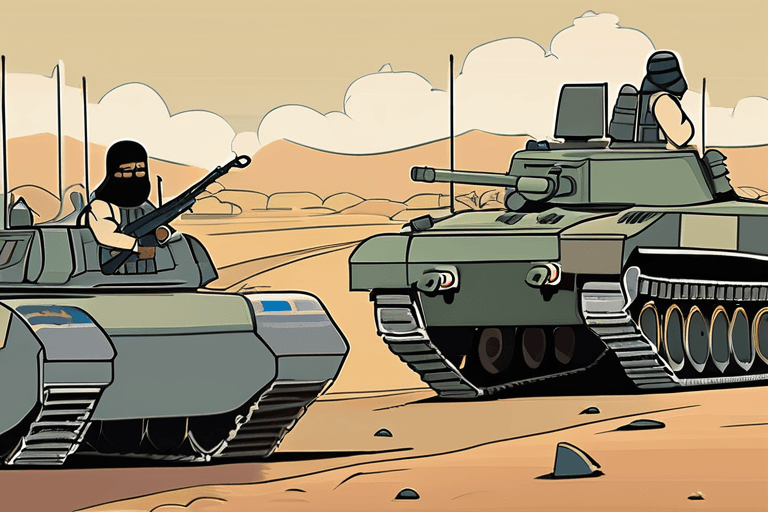
The UAE-backed forces declared on Friday that a "war" had begun, accusing Saudi-backed ground forces of launching an attack alongside air strikes by the Saudi air force. This fracturing of the alliance between Saudi Arabia and the UAE, who have both intervened in Yemen on behalf of the internationally recognized government, has resulted in them backing different rival groups on the ground. One of these groups is now pushing to declare the independence of a breakaway state in southern Yemen.
Yemen's civil war began in 2014 when the Iran-backed Houthi rebel movement seized control of much of northern Yemen, including the capital, Sanaa. The conflict has since plunged the already impoverished nation into a humanitarian crisis, marked by widespread violence, displacement, and severe food insecurity. The United Nations has described the situation in Yemen as one of the world's worst humanitarian disasters.
The intervention of Saudi Arabia and the UAE was initially aimed at restoring the Yemeni government and countering the influence of Iran in the region. However, their support for different factions within Yemen has complicated the conflict and exacerbated existing tensions. The Southern Transitional Council, which seeks independence for southern Yemen, has long enjoyed the backing of the UAE, while Saudi Arabia has primarily supported the internationally recognized government.
The current clashes raise concerns about the future of Yemen and the potential for further fragmentation. The conflict has drawn in various regional and international actors, reflecting broader geopolitical rivalries in the Middle East. The potential for a breakaway state in southern Yemen could further destabilize the country and the wider region. The long-term consequences of this fracturing of the Saudi-UAE alliance remain to be seen, but it undoubtedly adds another layer of complexity to an already protracted and devastating conflict.

















Discussion
Join the conversation
Be the first to comment