A cremation pyre approximately 9,500 years old has been discovered in a rock shelter at the foot of Mount Hora in northern Malawi, providing new insights into the rituals of ancient African hunter-gatherer groups. Researchers believe this pyre is the oldest in the world containing adult remains, the oldest confirmed intentional cremation in Africa, and the first pyre associated with African hunter-gatherers.
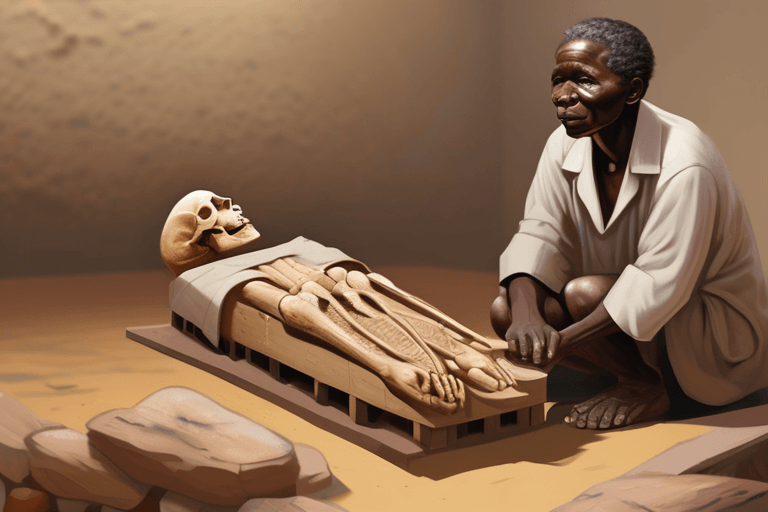
The discovery includes 170 individual human bone fragments, apparently from an adult woman just under 1.5 meters (5ft) tall, found in two clusters during excavations in 2017 and 2018, along with layers of ash, charcoal, and sediment. The field crew at the site, led by Jessica Thompson, meticulously documented the find.
The pyre's age and location offer a rare glimpse into the funerary practices of early African societies. Prior to this discovery, little was known about the specific rituals performed by hunter-gatherer communities in this region during the Late Stone Age. The presence of cremated remains suggests a deliberate and complex ritualistic behavior.
Researchers are now analyzing the bone fragments and surrounding materials to learn more about the individual, the cremation process, and the broader cultural context. Further studies of the site and surrounding areas are planned to uncover additional evidence of early human activity and burial practices. The findings contribute significantly to the understanding of human evolution and the development of ritualistic behavior in ancient Africa.

















Discussion
Join the conversation
Be the first to comment