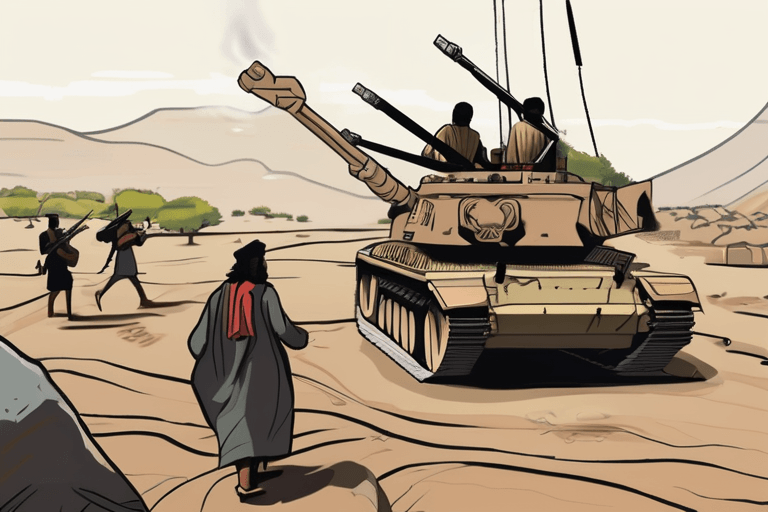
The UAE-backed STC presented the announcement as a declaration of independence for southern Yemen. However, it remains unclear whether the move can be effectively implemented or if it is primarily symbolic. Last month, STC-affiliated fighters seized control of two southern provinces from forces backed by Saudi Arabia and also took over the Presidential Palace in Aden, the south's main city.
The STC seeks to restore the state of South Yemen, which existed as an independent nation from 1967 until 1990 when it unified with North Yemen. The current conflict in Yemen began in 2014 when the Houthi rebels, a Zaidi Shia Muslim group, seized control of the capital, Sanaa, and much of northern Yemen, prompting a military intervention in 2015 by a Saudi-led coalition aimed at restoring the internationally recognized government.
The conflict has evolved into a complex proxy war with regional and international implications. The UAE has supported the STC in the south, while Saudi Arabia has backed the internationally recognized government. This divergence in support has created tensions between the two Gulf states and further complicated efforts to resolve the conflict.
The announcement of a constitution for an independent south raises concerns about a potential resurgence of civil war and a widening of tensions in the Gulf region. The move could further fragment Yemen and undermine efforts to reach a comprehensive political settlement. The internationally recognized government, which is currently based in Aden, has not yet issued a formal response to the STC's announcement. The United Nations and other international actors are likely to express concern over the escalation and call for renewed efforts to find a peaceful resolution to the conflict.

















Discussion
Join the conversation
Be the first to comment