Millions of Americans faced soaring healthcare costs as of January 1, 2026. A political impasse over government subsidies triggered the increase for 24 million people. The crisis follows a record 43-day government shutdown last year, fueled in part by disagreements over healthcare funding. Despite the shutdown's end, Republicans and Democrats failed to extend critical subsidies.
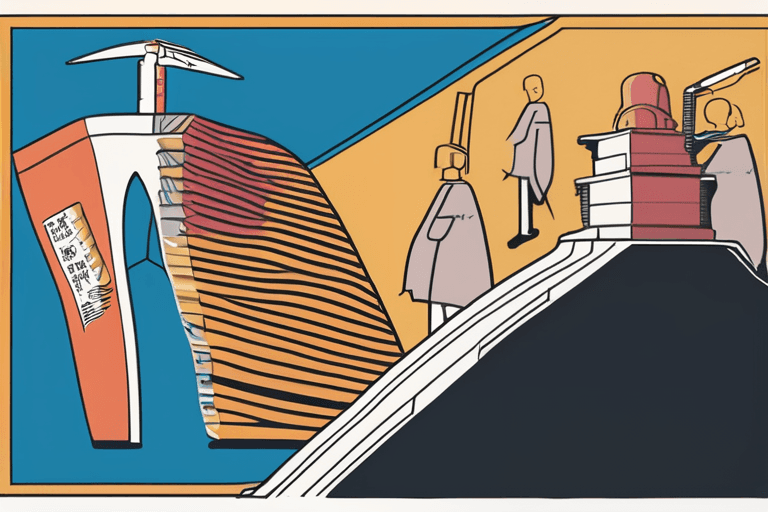
The dispute centers on federal assistance designed to make health insurance more affordable. The subsidies' expiration dramatically increased out-of-pocket expenses for millions. Northwestern University health economist Lindsay Allen notes the significant financial strain on families. Dr. Neel Shah, Chief Medical Officer of Maven Clinic, warns of potential declines in preventative care.
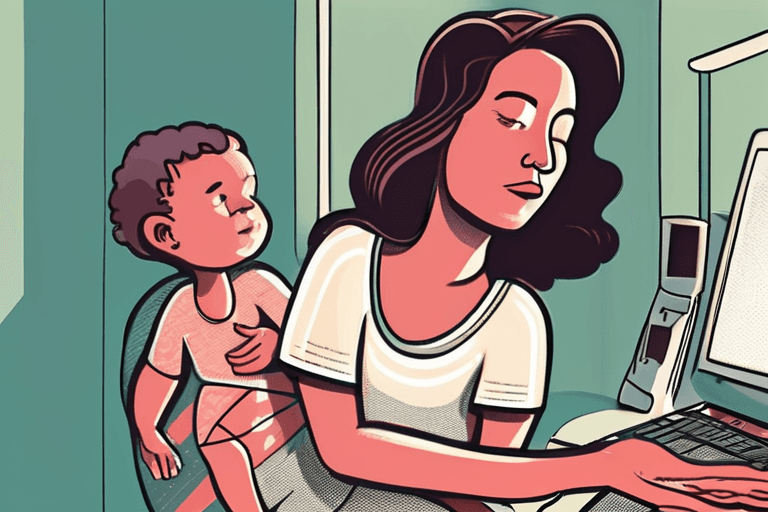
The immediate impact is widespread concern and uncertainty. Many individuals are now forced to make difficult choices between healthcare and other essential needs. Political strategist Rinah Shah highlights the deep partisan divisions hindering a swift resolution.
The US healthcare system has long been a subject of debate. Access, affordability, and quality remain persistent challenges. The current subsidy lapse exacerbates existing vulnerabilities.
The future remains uncertain. Negotiations between political parties are crucial to finding a sustainable solution. The health and financial well-being of millions hang in the balance.
















Discussion
Join the conversation
Be the first to comment