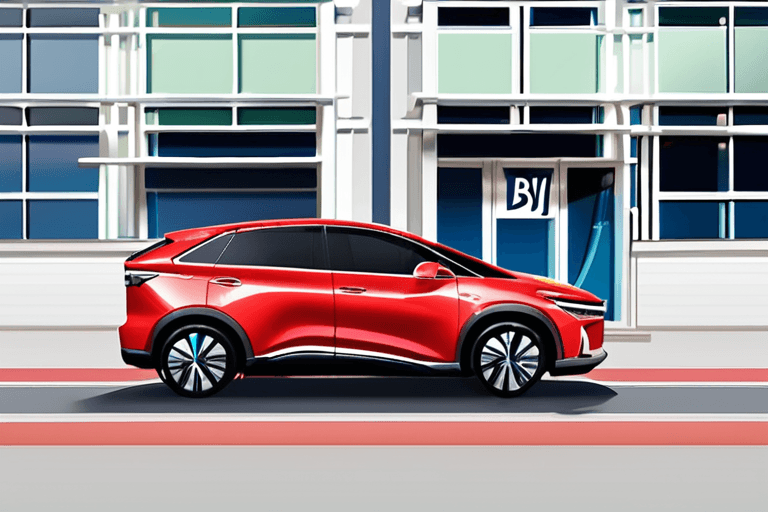
BYD has officially dethroned Tesla as the world's largest electric vehicle (EV) manufacturer, marking a significant shift in the global automotive landscape. The Chinese automaker's rise culminated in 2025, fueled by robust sales growth while Tesla experienced its second consecutive year of declining deliveries.
BYD's EV sales surged by 28 percent in 2025, reaching 2.25 million units. In stark contrast, Tesla reported 1.64 million vehicle deliveries for the year. Tesla's fourth-quarter performance was particularly weak, registering a 16 percent year-over-year decline. BYD also reported selling 4.6 million new energy vehicles globally, which includes both full EVs and plug-in hybrids. The company's passenger vehicle exports saw an impressive increase of over 145 percent year-on-year, exceeding one million cars.
This transition reflects a broader trend of increasing competition in the EV market, particularly from Chinese manufacturers. BYD's success, despite being effectively blocked from the U.S. market, underscores its growing dominance in other regions, especially Europe. The shift in leadership has implications for market share, investment strategies, and the overall pace of EV adoption globally.
Tesla's decline comes after a challenging year, impacted by production bottlenecks, increased competition, and concerns about its product pipeline. The Model Y, while remaining a top seller, was not enough to offset broader challenges. BYD's ascent is attributable to its diversified product portfolio, aggressive pricing strategy, and strong government support in China.
Looking ahead, the EV market is expected to become even more competitive. BYD's momentum suggests it will continue to expand its global footprint, while Tesla faces pressure to innovate and regain market share. The battle for EV supremacy will likely intensify, with implications for both companies' financial performance and the future of the automotive industry.















Discussion
Join the conversation
Be the first to comment