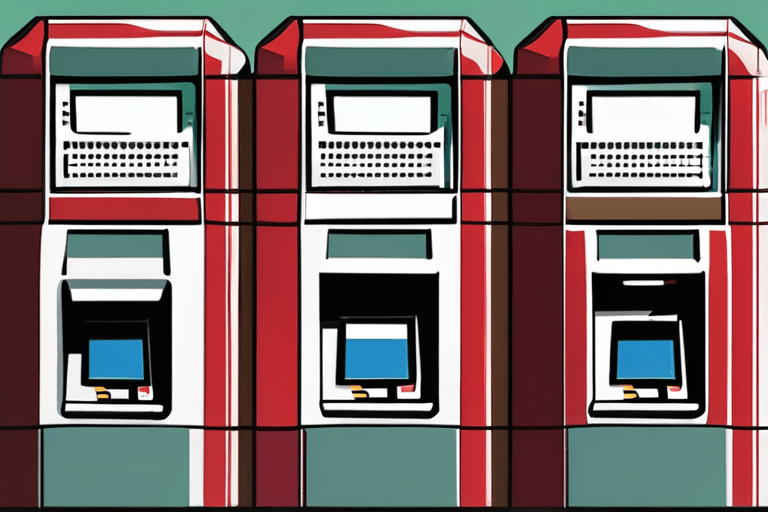
Cash machines in Bulgaria began dispensing euros on Thursday, marking the country's entry into the Eurozone as its 21st member. The shift saw ATMs in Sofia, the capital, distributing new euro banknotes, replacing the lev, which will remain in circulation for cash transactions throughout January. However, change will be given exclusively in euros.
Bulgaria, with a population of nearly 6.7 million, joined the European Union in 2007 as one of its less affluent members. Its adoption of the euro signifies a deeper integration with the EU, following its transition from a Soviet-style economy to democracy and free markets after 1989. This move aligns Bulgaria with a monetary system shared by nations like Germany, France, and Italy, fostering economic cooperation and potentially boosting trade.
The historic event occurs during a period of political instability in Bulgaria. The conservative-led government resigned earlier in the month due to widespread anti-corruption protests. This political turmoil coincides with public skepticism about the euro adoption, largely driven by concerns about potential price increases. To meet EU requirements for Eurozone entry, the government had previously worked to reduce inflation to 2.7%.
The government's resignation has left the country without an approved budget for the upcoming year, which could impede reforms and the effective utilization of support funds from the 27-member EU bloc, further fueling public discontent. The current political climate adds a layer of complexity to Bulgaria's economic transition, requiring careful management to ensure a smooth integration into the Eurozone.















Discussion
Join the conversation
Be the first to comment