Health officials with the Centers for Disease Control and Prevention (CDC) and the state of Louisiana reported a case of welders anthrax in an 18-year-old male in Louisiana in September 2024, marking the ninth known instance of this rare condition. The case study, published January 1, detailed how the previously healthy metalworker contracted the infectious disease, which was only first described in 2022.
The young man, who had no pre-existing health issues or risk factors such as smoking, vaping, or heavy alcohol consumption, developed a cough and was admitted to an intensive care unit within a week, suffering from severe pneumonia and respiratory failure. He required intubation and mechanical ventilation to assist his breathing.
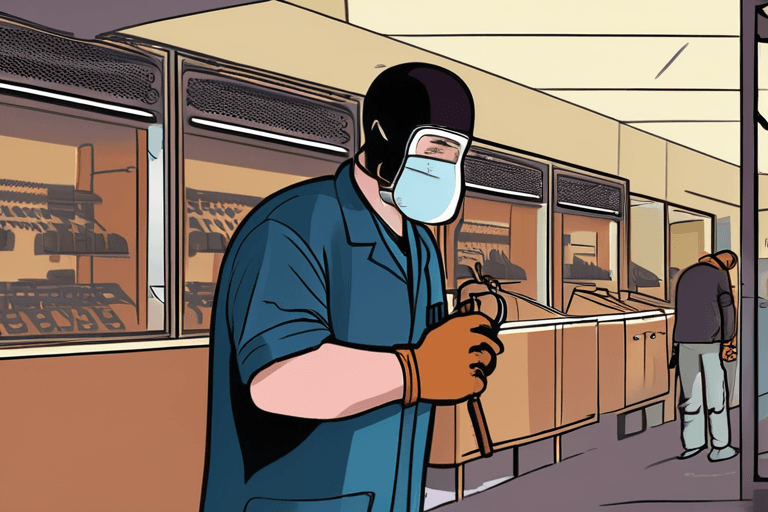
Blood tests revealed the presence of a bacterium belonging to the Bacillus cereus group, which includes the species responsible for classic anthrax. Doctors connected this finding to his occupation as a welders apprentice in the shipbuilding and repair industry, where he had been performing shielded metal arc welding for six months prior to the onset of his symptoms.
Welders anthrax is a rare form of anthrax that, unlike cutaneous or inhalation anthrax, is not caused by Bacillus anthracis. Instead, it is linked to other members of the Bacillus cereus group. The exact mechanism of transmission and the specific environmental factors contributing to this condition remain under investigation. Experts believe that exposure to metal fumes or dust contaminated with these bacteria during welding may be a potential route of infection.
The CDC and state health officials are continuing to investigate these cases to better understand the risks associated with welders anthrax and to develop effective prevention strategies. This includes analyzing workplace environments, welding practices, and potential sources of bacterial contamination.
The emergence of these cases raises concerns within the welding community and underscores the importance of implementing stringent safety measures, including proper ventilation, respiratory protection, and hygiene practices, to minimize the risk of exposure to harmful bacteria. Further research is needed to fully characterize the risks and to develop targeted interventions to protect welders from this potentially deadly disease.



















Discussion
Join the conversation
Be the first to comment