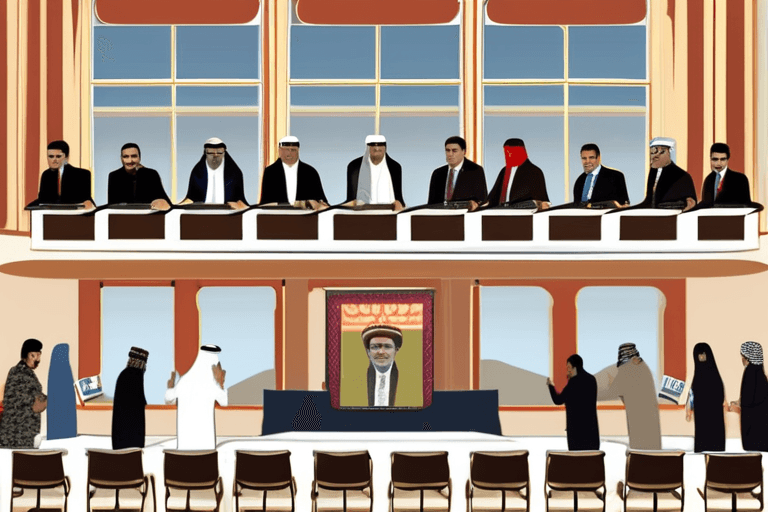
The move comes after STC-linked fighters seized control of two southern provinces from Saudi-backed forces last month, including the Presidential Palace in Aden, the south's main city. It remains unclear whether the declaration can be implemented or is largely symbolic, given the complex political landscape and ongoing conflict.
The STC seeks to restore the state of South Yemen, which existed as an independent nation until 1990 when it unified with North Yemen. The unification has been fraught with tension, leading to periodic outbreaks of conflict and a persistent separatist movement in the south. The current civil war, which began in 2014, has further exacerbated these divisions.
The conflict in Yemen has become a proxy war, pitting Saudi Arabia and the United Arab Emirates against each other through their support for opposing factions. The internationally recognized government is backed by Saudi Arabia, while the STC receives support from the UAE. This dynamic complicates efforts to reach a peaceful resolution and has contributed to the prolonged instability in the country.
The announcement of a constitution for an independent south is likely to further complicate peace efforts and could reignite a broader civil war. The international community has repeatedly called for a negotiated settlement to the conflict, but these efforts have so far been unsuccessful. The United Nations and other international organizations have warned of the devastating humanitarian consequences of the war, which has left millions of Yemenis in need of assistance. The future of Yemen remains uncertain as the various factions continue to vie for power and control.


















Discussion
Join the conversation
Be the first to comment