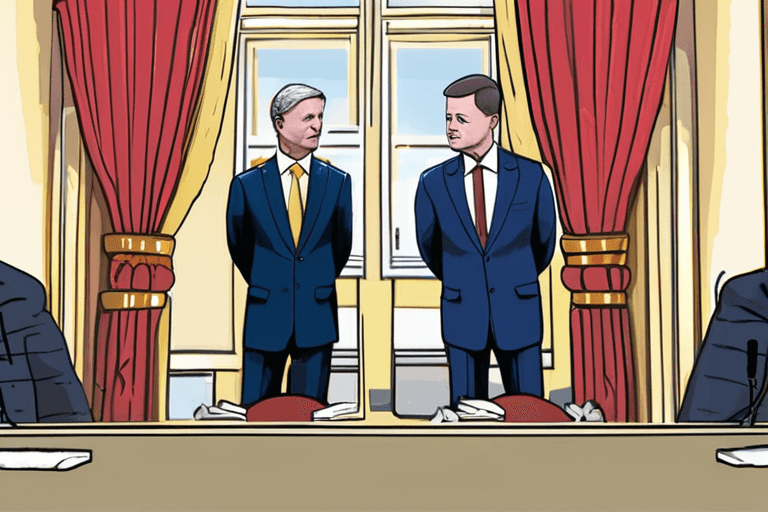
President Zelensky's recent dialogue with US envoys Steve Witkoff and Jared Kushner has sparked renewed hope for a potential resolution to the ongoing conflict in Ukraine. The Ukrainian president characterized the conversation as fruitful, hinting at "new ideas" that could pave the way for peace. But what does this diplomatic exchange signify, and how might artificial intelligence play a role in shaping the future of peace negotiations?
The conflict between Russia and Ukraine, which escalated dramatically with Russia's full-scale invasion in February 2022, has had devastating consequences, impacting global stability and causing immense human suffering. Traditional diplomatic efforts have struggled to achieve a lasting ceasefire, prompting exploration of alternative approaches. The involvement of figures like Witkoff and Kushner, acting as envoys for former President Trump, suggests a willingness to explore unconventional channels for dialogue.
Zelensky's acknowledgment of "new ideas in terms of formats, meetings, and... timing" suggests that the discussions went beyond simply reiterating existing proposals. The fact that a 20-point peace plan was agreed upon by US and Ukrainian envoys in Florida prior to the meeting adds another layer of complexity. While details of the plan remain undisclosed, Zelensky's positive assessment indicates a potential shift in negotiating positions. He also made a point of asking Witkoff and Kushner to pass along Christmas greetings to Donald Trump, a gesture that could be interpreted as an attempt to foster goodwill and maintain open lines of communication.
The Kremlin's statement that it is analyzing proposals brought back from the US by a Russian envoy further underscores the ongoing, albeit complex, nature of these discussions. It is within this complex landscape that the potential role of AI in peace negotiations becomes increasingly relevant.
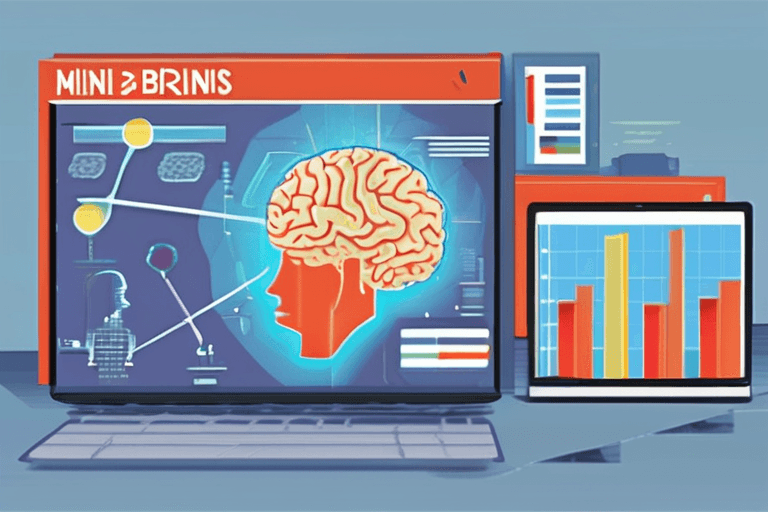
AI's capacity to analyze vast datasets, identify patterns, and predict outcomes could be invaluable in crafting effective peace strategies. Imagine an AI system capable of analyzing historical peace agreements, identifying factors that contributed to their success or failure, and then applying those insights to the current Russia-Ukraine conflict. Such a system could potentially identify overlooked opportunities for compromise or predict the likely consequences of different negotiating positions.
Furthermore, AI-powered translation tools can facilitate more accurate and nuanced communication between parties, reducing the risk of misunderstandings that could derail negotiations. AI could also be used to monitor social media and news outlets to gauge public sentiment and identify potential sources of misinformation that could inflame tensions.
However, the use of AI in peace negotiations also raises ethical considerations. Bias in algorithms, lack of transparency, and the potential for misuse are all valid concerns. It is crucial to ensure that AI systems used in this context are developed and deployed responsibly, with human oversight and a commitment to fairness and accountability.
The latest developments in AI, such as advancements in natural language processing and machine learning, are constantly expanding the possibilities for its application in conflict resolution. As AI technology continues to evolve, it is likely to play an increasingly important role in shaping the future of peace negotiations.
While the path to peace in Ukraine remains uncertain, Zelensky's positive assessment of his talks with US envoys offers a glimmer of hope. Whether AI will ultimately play a significant role in achieving a lasting resolution remains to be seen, but its potential to facilitate dialogue, analyze data, and identify new solutions cannot be ignored. The ongoing conflict serves as a stark reminder of the urgent need for innovative approaches to peacemaking, and AI may prove to be a valuable tool in this endeavor.
















Discussion
Join the conversation
Be the first to comment