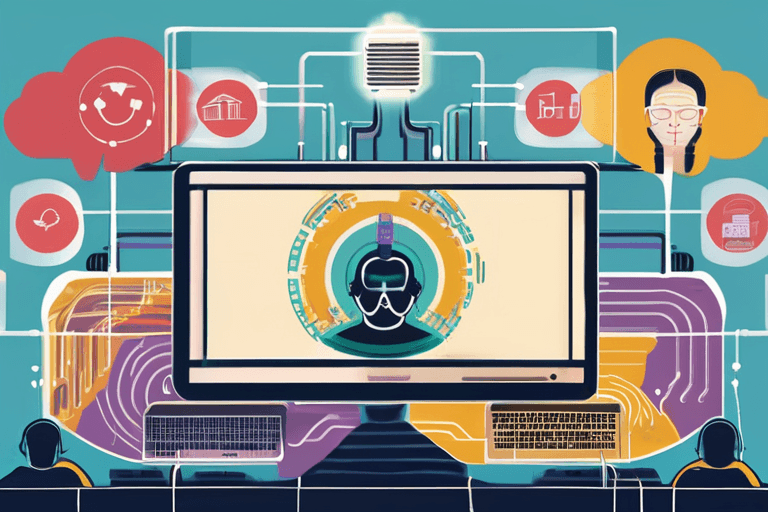
Experts predict artificial intelligence and cybernetic enhancements will significantly reshape education and human capabilities by 2050. The anticipated advancements, discussed at the recent "Future Forward" symposium in London, include AI-driven personalized learning systems and the integration of cybernetics to enhance cognitive and physical abilities.
Dr. Anya Sharma, a leading AI researcher at the Massachusetts Institute of Technology, stated that AI teachers will likely become commonplace, offering customized curricula tailored to individual student needs. "Imagine a system that adapts in real-time to a student's learning style, identifying knowledge gaps and providing targeted support," Sharma said. These AI tutors, powered by advanced machine learning algorithms, would analyze student performance data to optimize learning paths, potentially accelerating educational progress.
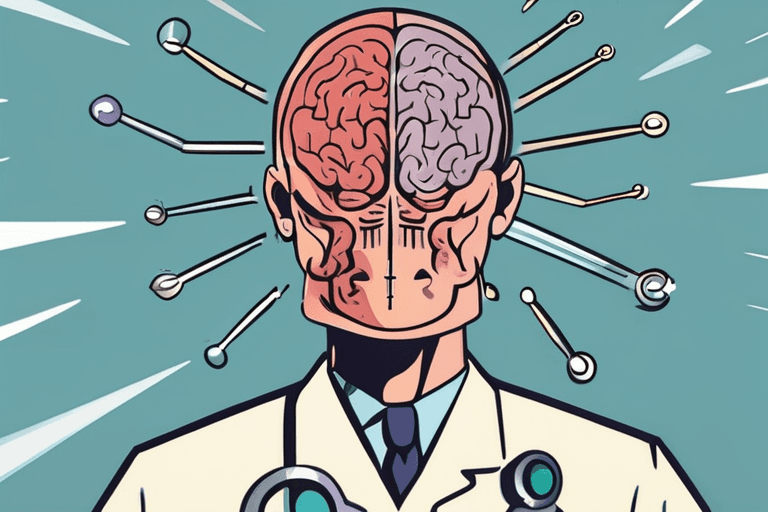
Cybernetics, the integration of technology with the human body, is also expected to play a crucial role. Professor Kenji Tanaka, a bioengineer at the University of Tokyo, presented research on neural interfaces that could enhance cognitive functions such as memory and processing speed. "We are exploring ways to augment human intelligence through direct brain-computer interfaces," Tanaka explained. While still in early stages of development, these technologies hold the potential to revolutionize how humans learn and interact with information.
The integration of AI and cybernetics raises ethical considerations. Concerns about data privacy, algorithmic bias, and equitable access to these technologies were prominent themes at the symposium. Critics argue that widespread adoption of AI tutors could exacerbate existing inequalities if access is limited to affluent communities. Similarly, the use of cybernetic enhancements raises questions about fairness and the potential for creating a divide between enhanced and non-enhanced individuals.
The impact on the education sector could be profound. Traditional teaching roles may evolve, with human educators focusing on mentorship, social-emotional learning, and critical thinking skills. The demand for professionals skilled in AI development, data analysis, and bioengineering is expected to surge, requiring significant investment in training and education programs.
Several companies are already developing technologies that could contribute to this future. "LearnAI," a startup based in Silicon Valley, is developing an AI-powered learning platform that provides personalized tutoring in mathematics and science. Their "Adaptive Learning Engine" uses machine learning to identify student weaknesses and provide targeted interventions. Meanwhile, "NeuroTech Solutions," a European firm, is working on non-invasive brain-computer interfaces for cognitive enhancement. Their prototype device, the "CogniBoost," aims to improve focus and memory through targeted neural stimulation.
The next steps involve further research and development, as well as addressing the ethical and societal implications of these technologies. Government regulations and industry standards will be crucial in ensuring responsible innovation and equitable access. The long-term impact of AI and cybernetics on education and human capabilities remains uncertain, but experts agree that these technologies have the potential to fundamentally reshape the future of learning and human development.


















Discussion
Join the conversation
Be the first to comment