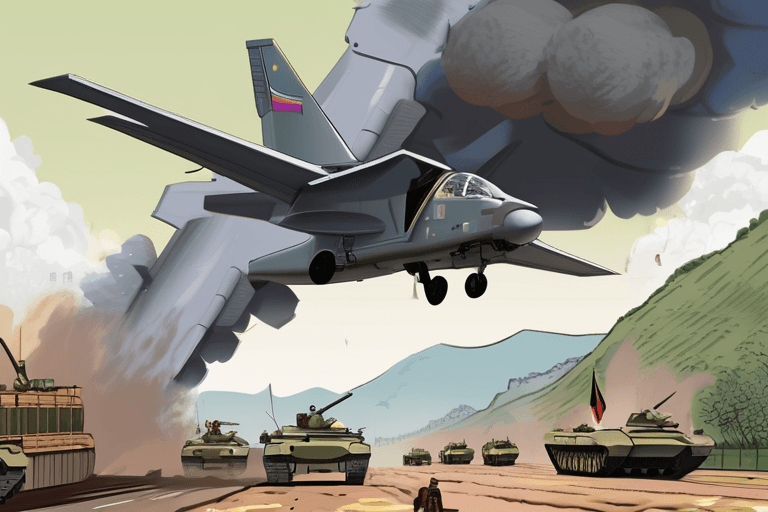
On January 3, 2026, United States forces captured Venezuelan President Nicolás Maduro and his wife, marking a significant escalation in the ongoing tensions between the two nations. The announcement, made by President Donald Trump, followed months of increasing military activity in the region, including reported U.S. bombings of alleged drug boats near Venezuela since September 2025.
The capture of Maduro represents a dramatic turn in the long-strained relationship between the U.S. and Venezuela, characterized by political and economic disagreements. The U.S. has long accused Maduro's government of corruption, human rights abuses, and undemocratic practices, while Maduro has consistently denounced U.S. interventionism and interference in Venezuela's internal affairs.
The recent military buildup and strikes leading up to Maduro's capture have raised concerns within the international community. Critics argue that the U.S. actions violate international law and undermine the sovereignty of Venezuela. Supporters, however, maintain that the U.S. is acting in its national security interests and in the interest of regional stability, citing Venezuela's alleged involvement in drug trafficking and its potential to destabilize the region.
The situation is further complicated by Venezuela's ongoing economic crisis, which has led to widespread poverty, food shortages, and mass emigration. The crisis has fueled political instability and created a power vacuum that various actors, both domestic and foreign, are vying to fill.
The capture of Maduro is likely to have far-reaching consequences for Venezuela and the region. It remains to be seen what form a new government will take and how the international community will respond to the U.S. action. The situation is fluid and unpredictable, with the potential for further escalation and instability. The United Nations and other international organizations are likely to play a crucial role in mediating the crisis and ensuring a peaceful transition of power.

















Discussion
Join the conversation
Be the first to comment