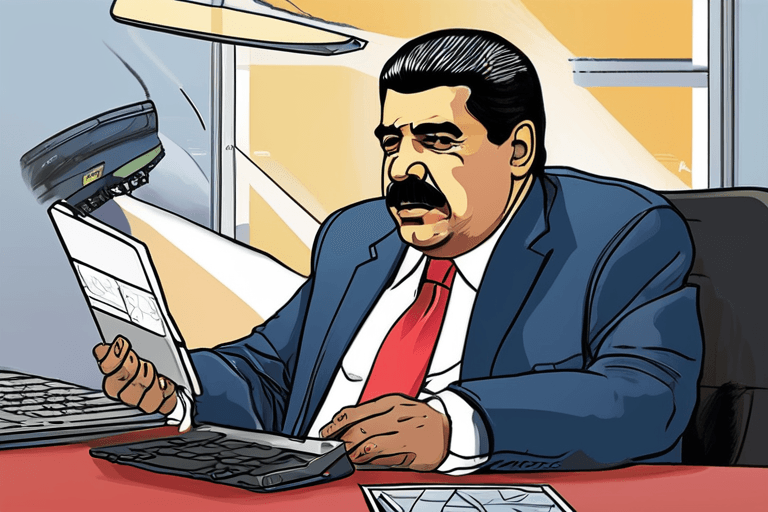
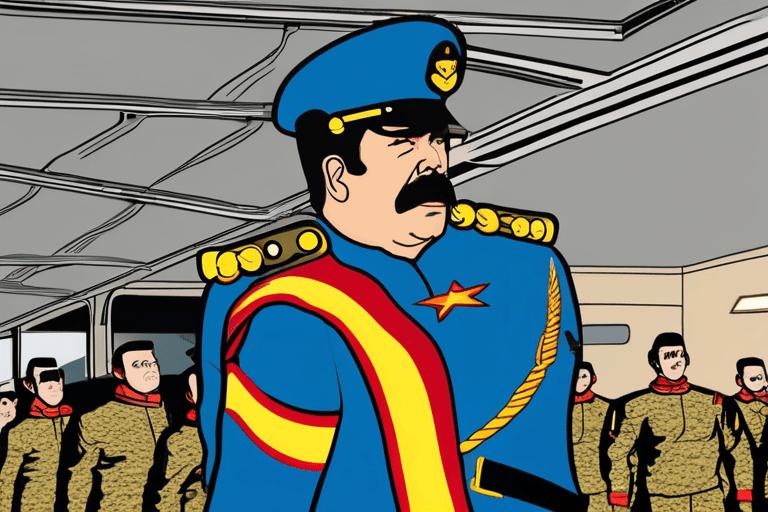
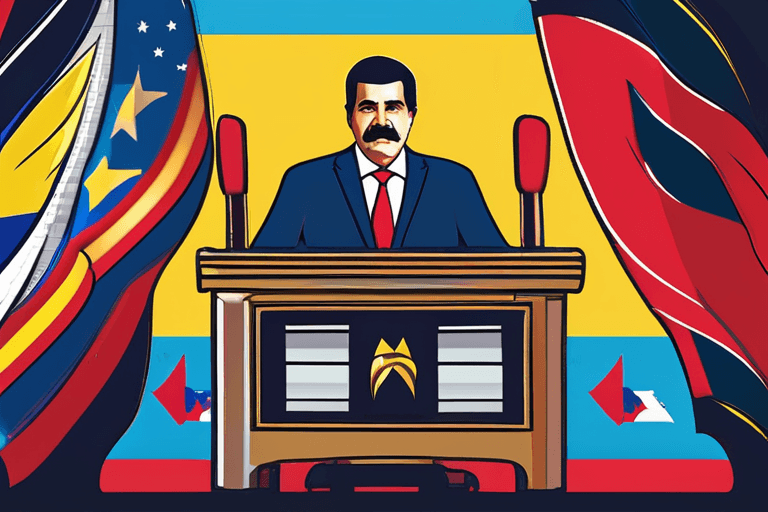
U.S. President Donald Trump announced the capture and removal of Venezuelan leader Nicolás Maduro, a move fraught with risk and uncertainty regarding the future of the country. Maduro, who controlled Venezuela's electoral system, judiciary, military, and held the loyalty of powerful militia groups, was reportedly flown out of the country and detained in the U.S.
The abrupt intervention followed what residents described as deafening booms in Caracas, the capital, attributed to U.S. strikes targeting military infrastructure. The U.S. has long accused Maduro of leading a criminal trafficking organization, allegations he has consistently denied.
The removal of Maduro marks a significant escalation in U.S. foreign policy, departing from typical strategies of sanctions and diplomatic pressure. "The U.S. may want many of its foes gone from power," noted Ione Wells, South America correspondent, "It doesn't usually send in the military and physically remove them."
The power vacuum left by Maduro's departure raises questions about who will govern Venezuela and how stability will be maintained. The U.S. has not yet outlined a clear plan for the transition, leaving the country in a state of uncertainty. The situation is further complicated by the deep divisions within Venezuelan society and the potential for violent conflict between rival factions.
The international community's reaction to the U.S. intervention has been mixed, with some countries condemning the action as a violation of international law and others expressing support for the removal of Maduro. The long-term consequences of the intervention remain to be seen, but analysts warn of the potential for unintended consequences and the risk of further destabilizing the region.













Discussion
Join the conversation
Be the first to comment