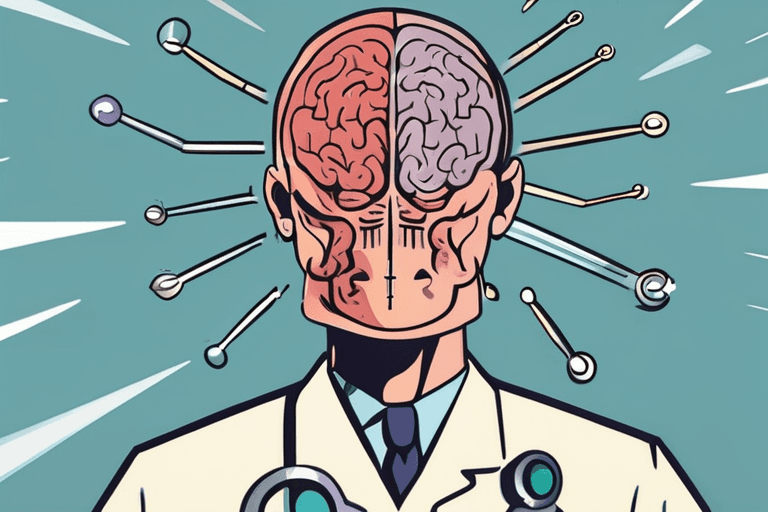
The concept of head transplantation, once relegated to the realm of science fiction, is experiencing renewed interest from life-extension advocates and Silicon Valley startups, despite skepticism surrounding its feasibility. Italian neurosurgeon Sergio Canavero, who gained notoriety in 2017 for claiming to have successfully transplanted heads between corpses in China, has long championed the procedure as a potential solution for individuals with debilitating conditions or those seeking radical life extension.
Canavero's initial claims and proposed techniques involved severing the spinal cords of both the recipient and the donor body, fusing the head to the new body using polyethylene glycol to encourage spinal cord regeneration, and then employing weeks of induced coma to facilitate healing. These proposals sparked significant controversy within the medical community, with many experts questioning the ethical implications and the scientific validity of the approach. The Chicago Tribune, for example, dubbed Canavero the "P.T. Barnum of transplantation," reflecting widespread doubt about his claims and methods.
Despite the criticism and his subsequent departure from Molinette Hospital in Turin, where he worked for 22 years, Canavero remains a vocal proponent of head transplantation. "I'm an out-of-the-establishment guy. So that has made things harder, I have to say," Canavero stated, acknowledging the challenges he faces in gaining acceptance for his ideas. He argues that no other viable solution to aging is currently on the horizon, making radical approaches like head transplantation worthy of exploration.
The procedure, if ever successfully performed on a living human, would require a highly specialized team of surgeons, neuroscientists, and bioengineers. The "head-transplant surgeon" of the future would need expertise in microsurgery, spinal cord repair, immunosuppression, and post-operative rehabilitation. Furthermore, advancements in areas such as nerve regeneration and brain-computer interfaces would likely be crucial for improving patient outcomes and quality of life.
The ethical considerations surrounding head transplantation are substantial. Questions regarding identity, consciousness, and the potential for psychological trauma would need to be addressed. The long-term effects of immunosuppressant drugs, necessary to prevent rejection of the new body, also pose a significant concern.
While the practical realization of head transplantation remains uncertain, the ongoing interest from researchers and investors suggests that the field may continue to evolve. Whether it ultimately becomes a viable medical option or remains a theoretical possibility is yet to be determined.



















Discussion
Join the conversation
Be the first to comment