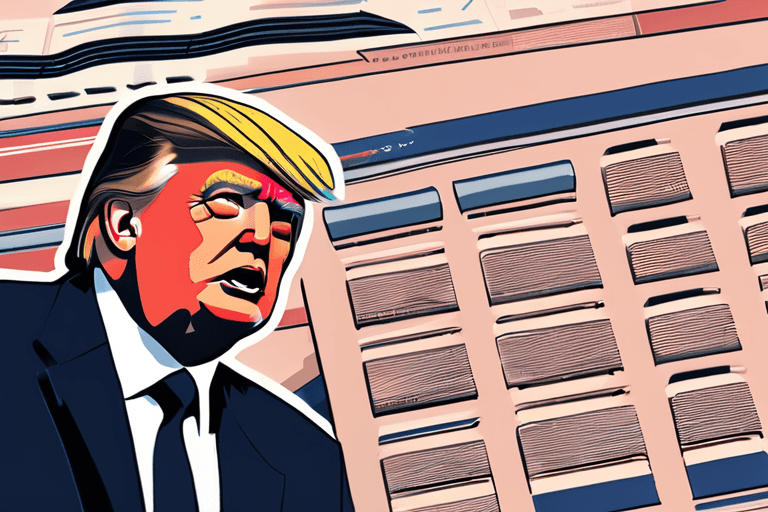
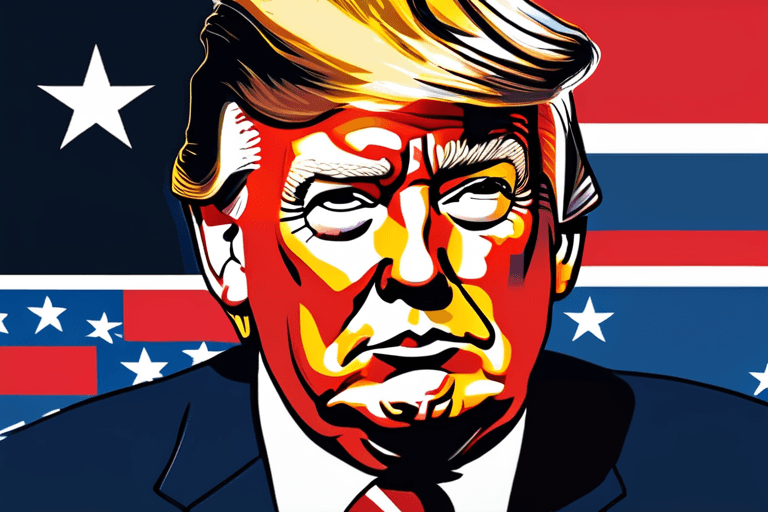
On December 9th, former U.S. President Donald Trump announced the U.S. would permit the export of Nvidia's H200 processors to China, subject to a 25% fee on all sales, sparking debate about the nature of global AI competition. The decision has drawn criticism from figures like Senator Elizabeth Warren, who argue it compromises national security. This development underscores a prevailing narrative of AI as a zero-sum game, where nations are locked in a race for technological supremacy.
The framing of AI development as a competition between nations is not new. Anthropic CEO Dario Amodei, while advocating for AI safety, has also emphasized the need for export controls to slow China's progress, framing it as an AI arms race. Similarly, Chris Miller, author of "Chip War," contends that U.S. chip export controls, such as restrictions on selling advanced GPUs like Nvidia's H100s to China, have successfully hampered China's chipmaking capabilities. Trump himself stated in July that America initiated the AI race and intends to win.
These perspectives highlight a view of global AI development as a two-player contest, where one nation's gain is another's loss. However, this framing overlooks the potential for international collaboration and the shared benefits of AI advancements. The development of artificial intelligence, which involves creating computer systems capable of performing tasks that typically require human intelligence, such as learning, problem-solving, and decision-making, has broad implications for various sectors, including healthcare, finance, and transportation.
The debate surrounding AI development and export controls raises fundamental questions about the future of technology and international relations. While some argue that restricting access to advanced technologies is necessary to maintain a competitive edge, others contend that such measures stifle innovation and hinder global progress. The ongoing discussion reflects the complex interplay between national security concerns, economic interests, and the potential for AI to transform society.
Currently, the implications of Trump's decision to allow Nvidia H200 exports to China are still unfolding. The move could potentially ease tensions between the two countries, but it also raises concerns about the potential for China to accelerate its AI development. The situation remains dynamic, with ongoing discussions about the appropriate balance between competition and collaboration in the global AI landscape.











Discussion
Join the conversation
Be the first to comment