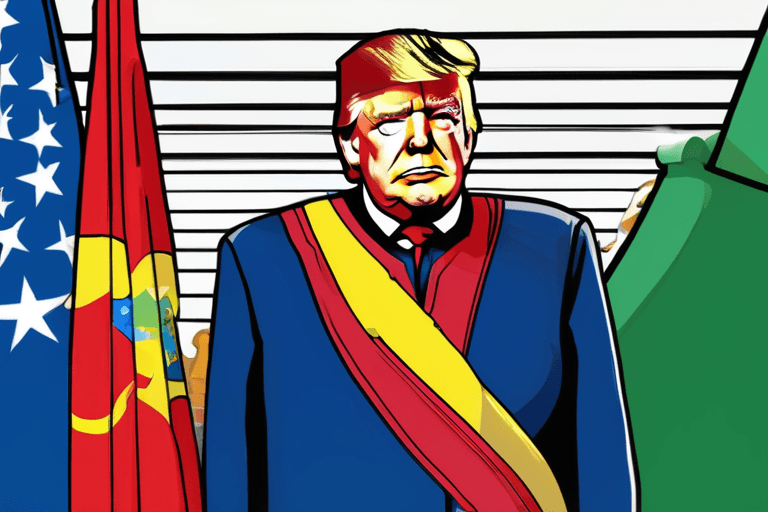
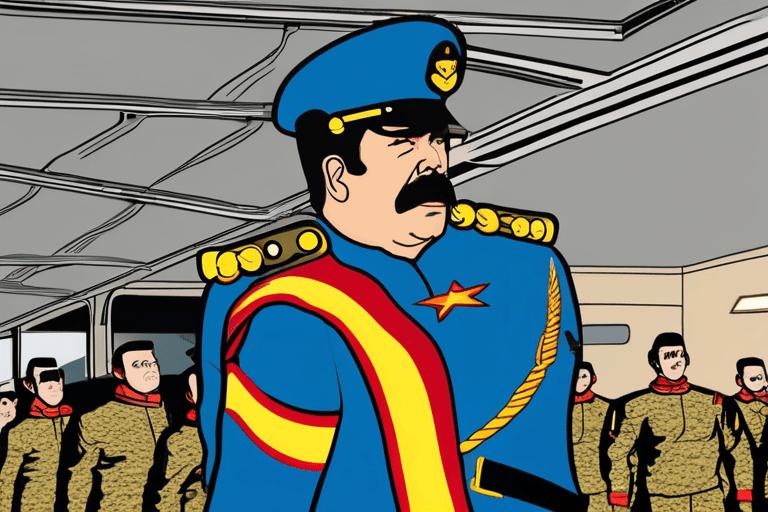
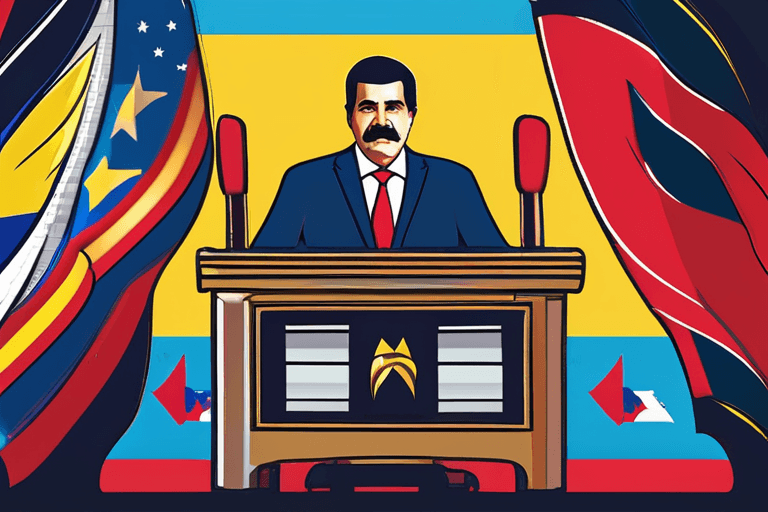
President Trump stated the United States would administer Venezuela following a U.S. operation to apprehend President Nicolas Maduro. The announcement, made on January 3, 2026, came after a controversial mission to remove and indict Maduro, according to a report on NPR's "All Things Considered."
Trump detailed the U.S. plans for Venezuela in the wake of the operation. The specific details of the plan were not immediately clear, but the President's statement suggests a significant shift in U.S. policy toward the South American nation. The U.S. government has long been critical of Maduro's leadership, citing human rights abuses and economic mismanagement.
The apprehension of Maduro and the subsequent declaration by Trump raise complex questions about international law and the sovereignty of nations. International law generally prohibits intervention in the internal affairs of other states. However, the U.S. has argued in the past that intervention is sometimes justified on humanitarian grounds or to protect U.S. national interests.
The situation also highlights the evolving role of artificial intelligence in international relations. AI-powered systems are increasingly being used for intelligence gathering, risk assessment, and even military operations. The use of AI in the operation to apprehend Maduro has not been confirmed, but it is likely that AI played a role in some capacity. The increasing reliance on AI in such sensitive situations raises concerns about accountability, transparency, and the potential for unintended consequences. Experts in AI ethics are actively debating the appropriate guidelines for the use of AI in international affairs, emphasizing the need for human oversight and adherence to international law.
The future of Venezuela remains uncertain. The U.S. faces significant challenges in administering the country, including addressing the ongoing economic crisis and restoring political stability. The international community is closely watching the situation, and many countries have expressed concern about the potential for further instability in the region. The long-term implications of the U.S. intervention for the balance of power in Latin America are also yet to be seen.












Discussion
Join the conversation
Be the first to comment