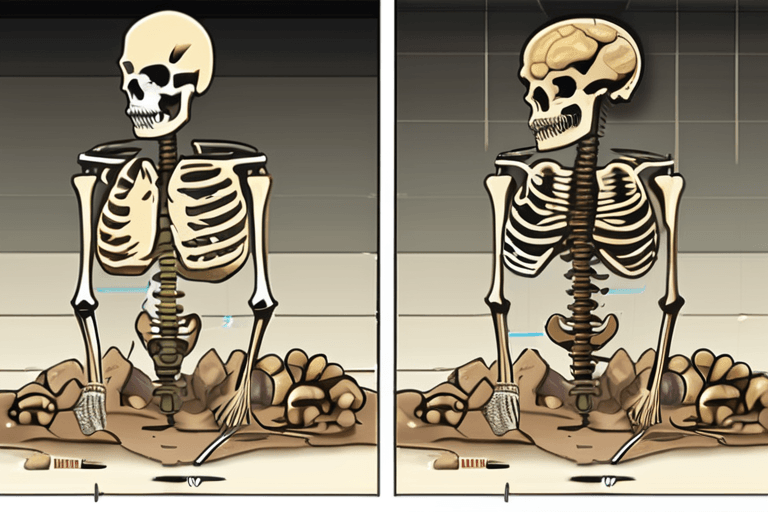
Researchers have uncovered thousands of preserved metabolic molecules inside fossilized bones millions of years old, offering a surprising new window into prehistoric life, according to a study released January 3, 2026, by New York University. The findings reveal details about animals' diets, diseases, and even their surrounding climate, including evidence of warmer, wetter environments. One fossil even showed signs of a parasite still known today.
The research team, led by Timothy Bromage and Bin Hu of NYU Dentistry, successfully examined metabolism-related molecules preserved inside fossilized bones from animals that lived between 1.3 and 3 million years ago. This new approach could transform how scientists reconstruct ancient ecosystems.
"It's like finding a perfectly preserved time capsule," said Bromage in a statement. "These molecules act as biosignatures, providing direct evidence of the animal's physiological state and environmental conditions at the time of its death."
The study utilized advanced analytical techniques, including mass spectrometry and AI-powered data analysis, to identify and interpret the complex mixture of molecules within the fossilized bone. The AI algorithms were trained on vast databases of known metabolic compounds, allowing researchers to identify even trace amounts of these molecules with high accuracy. This process, known as "metabolomics," is typically used in modern medical research but has now been successfully adapted for paleontological studies.
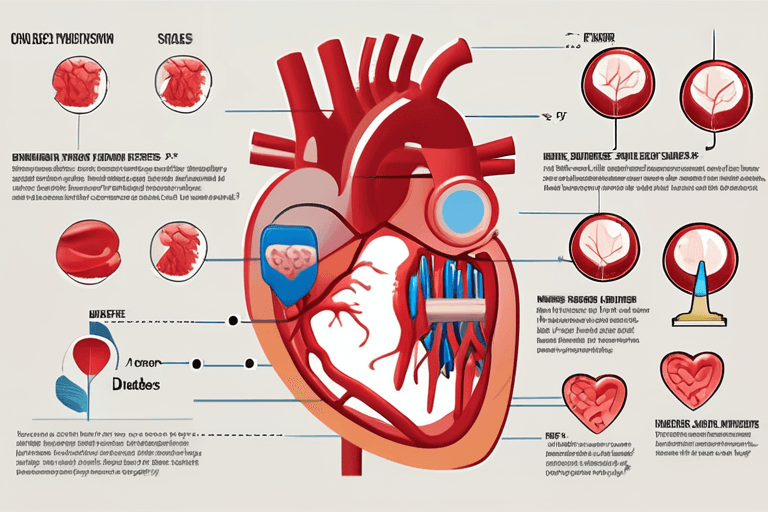
The implications of this research extend beyond simply understanding the diets of ancient animals. By analyzing the metabolic profiles of fossils, scientists can gain insights into the prevalence of diseases, the impact of climate change on ancient ecosystems, and the evolutionary relationships between different species. The discovery of a parasite signature in one fossil, for example, provides direct evidence of host-parasite interactions millions of years ago.
"This is a game-changer for paleontology," said Hu. "We can now reconstruct ancient ecosystems with a level of detail that was previously unimaginable. It's like having a molecular microscope that allows us to peer back in time."
The research also highlights the potential of AI in scientific discovery. The AI algorithms used in this study were able to identify patterns and relationships in the data that would have been impossible for humans to detect manually. This demonstrates the power of AI to accelerate scientific research and uncover new insights into the natural world.
The team plans to expand their research to include fossils from different time periods and geographic locations. They are also working on developing new AI algorithms to further improve the accuracy and efficiency of their analysis. The ultimate goal is to create a comprehensive database of ancient metabolic profiles that can be used to reconstruct the history of life on Earth.


















Discussion
Join the conversation
Be the first to comment