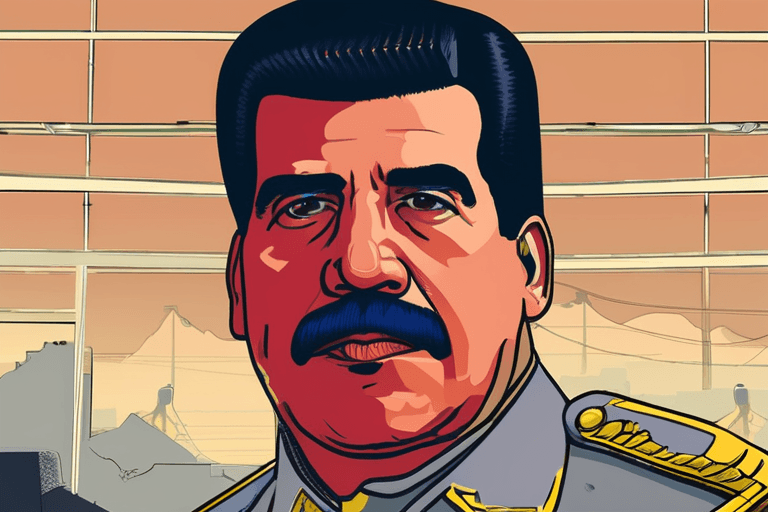
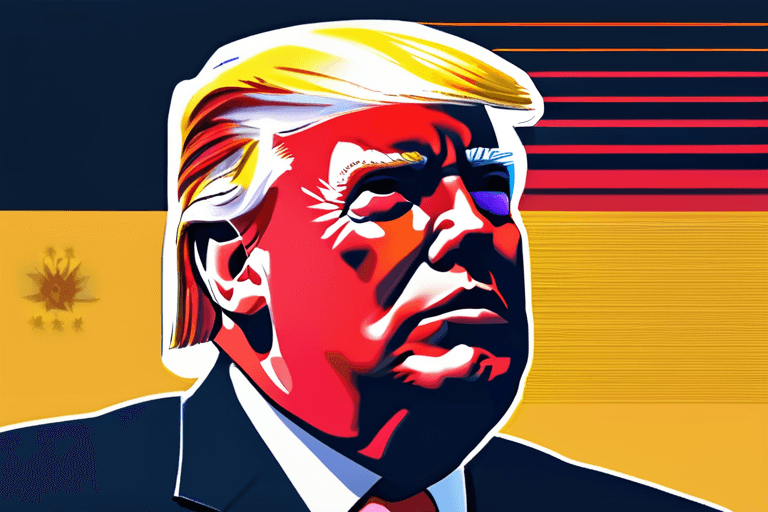
Venezuelan President Nicolás Maduro was reportedly captured and flown out of the country, according to an announcement made by U.S. President Donald Trump on Saturday, January 3, 2026, prompting a series of questions regarding the future of Venezuela's leadership and its relationship with the United States. The situation remains fluid, with conflicting reports and uncertainties surrounding the power dynamics within the Venezuelan government.
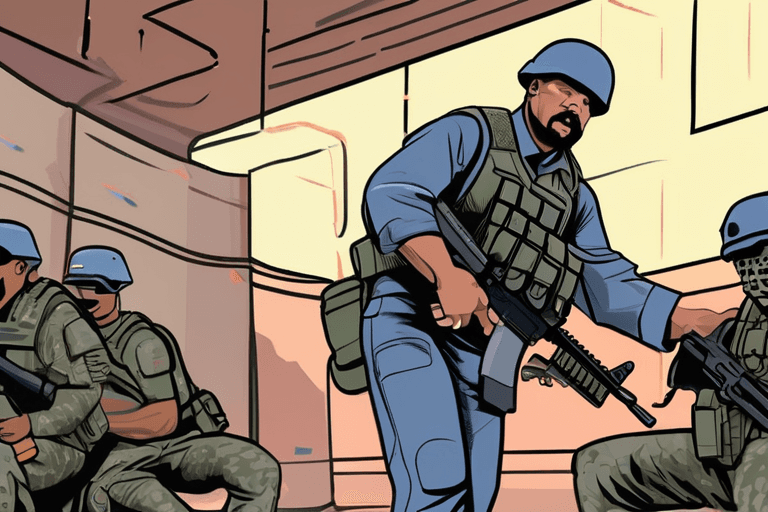
Following Trump's announcement, initial reports suggested that Venezuela's Vice President and Interior Minister were in charge, both having made public statements. Senator Mike Lee, Republican of Utah, cited Secretary of State Marco Rubio as saying that U.S. strikes were over, implying a potential scenario where the existing government remains in place, at least for the time being.
During a midday news conference, President Trump stated that Vice President Delcy Rodriguez had been "sworn in" as Venezuela's new president. However, the legitimacy and circumstances surrounding this alleged swearing-in remain unclear. Trump also stated the U.S. would "run" Venezuela and sell seized oil.
The capture of Maduro and the subsequent uncertainty have raised several key questions: Who is currently in control of Venezuela? What role will the United States play in the country's future? What is the legal basis for the U.S. intervention? How will the international community respond to these events? What will be the impact on Venezuela's oil industry? And what is the future for the Venezuelan people?
The events follow a period of strained relations between the United States and Venezuela, marked by U.S. sanctions and accusations of election rigging and human rights abuses against the Maduro regime. The U.S. has previously recognized opposition leader Juan Guaidó as the legitimate interim president of Venezuela.
The situation is developing rapidly, and further clarity is needed to understand the full implications of Maduro's capture and the subsequent power vacuum in Venezuela. The international community is closely watching the events unfold, with potential ramifications for regional stability and global oil markets.















Discussion
Join the conversation
Be the first to comment