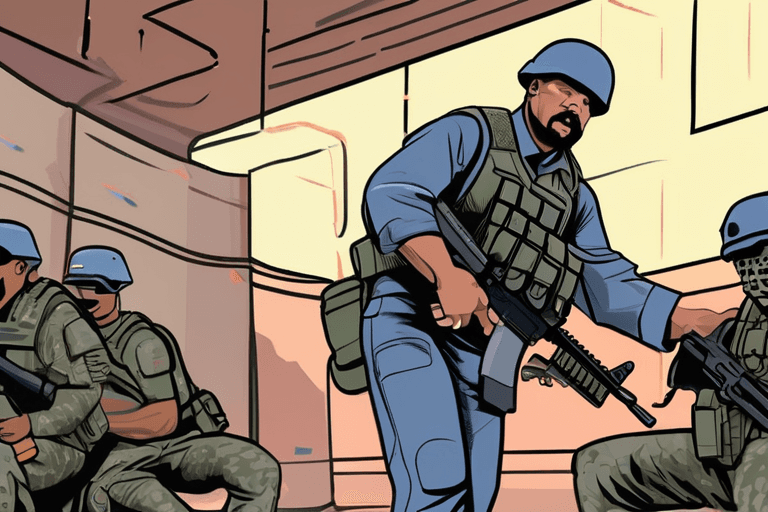
Following the U.S. military's capture of Venezuelan President Nicolás Maduro and his wife, Cilia Flores, business leaders are reassessing their strategies in Latin America. The swift operation, executed by U.S. Marines, the Airforce, Army Delta Force, and FBI agents, involved 150 aircraft and concluded in under 30 minutes without casualties. President Trump declared the U.S. would oversee Venezuela, anticipating that reinstated oil reserves would finance the occupation.
The immediate financial impact centers on Venezuela's oil reserves, estimated to be the largest in the world. The U.S. government anticipates leveraging these reserves to offset the costs of occupation, potentially reshaping global energy markets. However, the exact figures related to extraction costs, potential revenue, and the timeline for achieving financial equilibrium remain unclear.
The market context is complex. While some corporations may view Maduro's removal as a positive step towards stability and improved business conditions, the overt nature of U.S. intervention raises concerns about potential backlash and long-term stability in the region. Corporate leaders operating in Latin America are advised to exercise caution in their public statements.
Venezuela's business environment under Maduro was characterized by corruption, hyperinflation, and nationalization, deterring foreign investment and hindering economic growth. The oil industry, once a major revenue source, suffered from mismanagement and underinvestment. The change in leadership presents an opportunity for restructuring and attracting new investment, but also carries significant political and operational risks.
Looking ahead, the future of Venezuela's business landscape hinges on the establishment of a stable and transparent government. The role of AI in optimizing oil extraction, managing infrastructure, and ensuring fair distribution of resources could be significant. However, ethical considerations surrounding AI deployment, data privacy, and potential biases must be addressed to ensure equitable and sustainable development. The long-term implications for regional stability and U.S.-Latin American relations remain uncertain.
















Discussion
Join the conversation
Be the first to comment