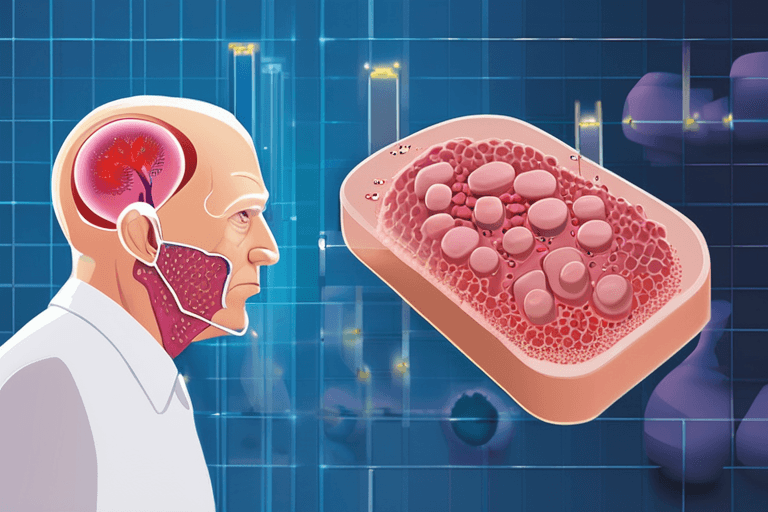
Researchers at Cold Spring Harbor Laboratory discovered a method to rejuvenate aging intestines and heal long-term intestinal damage using CAR T-cell therapy, according to a study published Jan. 3, 2026. The therapy targets senescent cells, which accumulate in the gut over time, hindering its ability to regenerate and absorb nutrients.
The study, conducted on mice, demonstrated that the CAR T-cell treatment boosted gut regeneration, reduced inflammation, and improved nutrient absorption. The treatment also protected the intestine from radiation damage, with benefits lasting up to a year. Early results in human intestinal cells suggest the approach could potentially improve gut health in older adults and cancer patients.
The intestinal epithelium, a thin lining of the gut, is crucial for nutrient absorption and acts as a barrier against harmful substances. As people age, this lining can become damaged, leading to difficulty tolerating certain foods and increasing susceptibility to intestinal disorders. Senescent cells, which are cells that have stopped dividing and accumulate with age, contribute to this damage by releasing inflammatory molecules and impairing tissue repair.
CAR T-cell therapy, typically used in cancer treatment, involves modifying a patient's T cells to recognize and destroy specific target cells. In this study, researchers engineered CAR T-cells to target a protein called uPAR, a surface marker found on senescent cells in the aged gut. By eliminating these senescent cells, the therapy allowed the gut to regenerate and function more efficiently.
"We found that by targeting these senescent cells, we could essentially reset the gut to a younger, healthier state," said Dr. Amor Vegas, lead researcher at Cold Spring Harbor Laboratory. "This approach has the potential to significantly improve the quality of life for older adults and individuals undergoing cancer treatment who often experience severe intestinal side effects."
The researchers also observed a reduction in the expression of the tumor suppressor p21 in the treated intestinal cells, indicating a reversal of the aging process at the cellular level.
While the study's findings are promising, further research is needed to confirm the safety and efficacy of CAR T-cell therapy for rejuvenating the aging gut in humans. The researchers are currently conducting preclinical studies to optimize the treatment and assess its long-term effects. Clinical trials in humans are anticipated to begin within the next few years.
"This is a significant step forward in understanding the role of senescent cells in age-related intestinal dysfunction," said Dr. Beyaz, senior author of the study. "Our goal is to develop a safe and effective therapy that can restore gut health and improve overall well-being for individuals of all ages."
The research was funded by the National Institutes of Health and the Cold Spring Harbor Laboratory.


















Discussion
Join the conversation
Be the first to comment