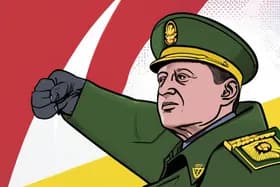
Venezuelan President Nicolás Maduro and his wife, Cilia Flores, were taken into custody by the United States on Saturday, following a series of airstrikes in Venezuela. U.S. President Donald Trump announced the capture and stated the U.S. would administer Venezuela for an undetermined duration.
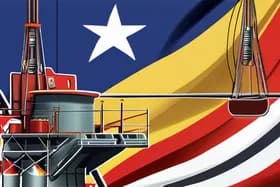
Trump explicitly stated the military action was motivated by the desire for U.S. companies to control Venezuela's oil infrastructure for their own gain. "We have the greatest oil companies in the world, the biggest, the greatest, and we’re going to be very much involved in it," Trump told reporters.
The U.S. military action marks a significant escalation in the long-standing tensions between the two nations. The relationship between the U.S. and Venezuela has been strained for years, particularly since Maduro assumed power in 2013 following the death of Hugo Chávez. The U.S. has previously imposed sanctions on Venezuelan officials and entities, citing concerns about human rights, corruption, and the erosion of democracy.
The capture of Maduro and his wife drew immediate condemnation from some international leaders. Critics argue the U.S. action violates international law and infringes upon Venezuela's sovereignty. Supporters of Maduro have characterized the events as an act of aggression and a blatant attempt to seize control of Venezuela's resources.
The U.S. government has not yet released details regarding the specific plans for administering Venezuela. The future of Venezuela's political landscape remains uncertain, and the international community is closely monitoring the situation for further developments. The Venezuelan vice-president's current location and status are unknown.
















Discussion
Join the conversation
Be the first to comment