Venezuela's recent political developments have reignited discussions surrounding the United States' historical involvement in Latin American affairs. For decades, the U.S. has played a significant role in the region, often intervening in ways that have shaped the political and economic landscape of various nations.
From military interventions in countries like Mexico and Panama to the backing of armed rebellions and military dictatorships, the U.S. has consistently projected its influence southward. This involvement is often viewed through the lens of the Monroe Doctrine, a policy that asserts U.S. dominance in the Western Hemisphere.
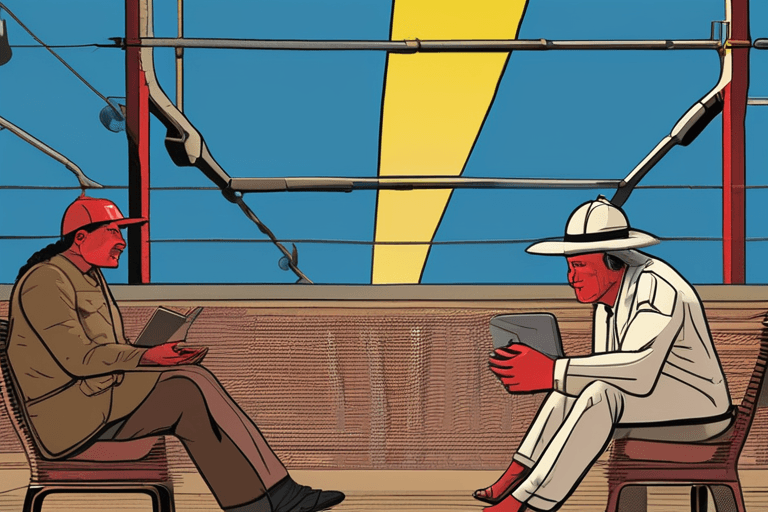
Eduardo Gamarra, a professor of politics and international relations at Florida International University, notes that the U.S. has long seen Latin America as its sphere of influence. "Multiple administrations have seen the region through the lens of the Monroe Doctrine," Gamarra stated, highlighting the continuity of this approach across different presidential terms.
The history of U.S. intervention in Latin America is complex and multifaceted. It is rooted in a combination of economic interests, Cold War politics, and a desire to maintain regional stability, as defined by U.S. policymakers. Critics argue that these interventions have often undermined democratic processes and exacerbated social inequalities.
The legacy of U.S. involvement continues to shape perceptions and attitudes towards the U.S. in Latin America. Many view U.S. actions with suspicion, citing a history of interference in their internal affairs. This historical context is crucial for understanding the current dynamics between the U.S. and Venezuela, as well as other nations in the region.
















Discussion
Join the conversation
Be the first to comment