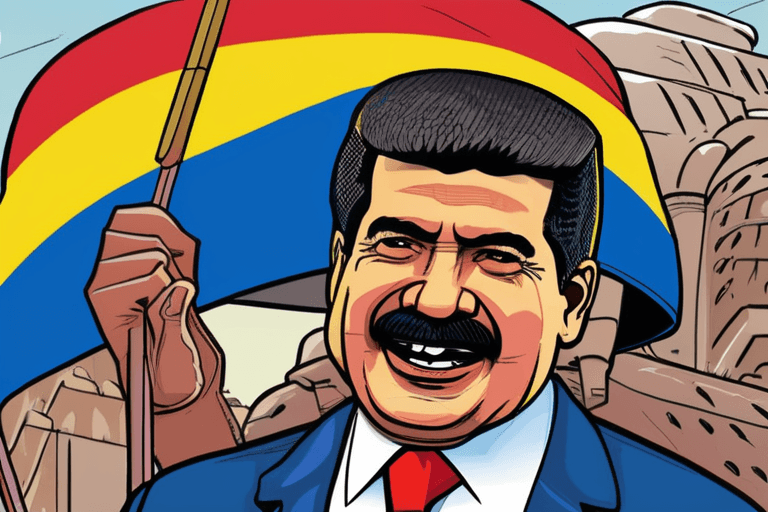
Exiled Venezuelans greeted the news of Nicolás Maduro's removal from power with a mixture of jubilation and apprehension, reflecting years of hardship and uncertainty endured since fleeing the country's economic collapse and political repression. Across Latin America and beyond, Venezuelan migrants, who had sought refuge from the crisis at home, expressed cautious optimism about the prospect of returning, while also acknowledging the long and potentially difficult road to rebuilding their lives in a post-Maduro Venezuela.
Jorge Colmenares, 50, who left Venezuela seven years ago, was among those who reacted emotionally to the news. "If I speak from my heart, I had utterly lost hope," he said, describing how he had been reduced to living in cardboard boxes in Venezuela before finding work selling caramel candy in the Colombian border city of Cúcuta. Overcome with emotion, Colmenares wept on Saturday night, sharing his feelings with other Venezuelans in exile. "When I think of my land, the beaches," Colmenares said, before breaking down in sobs, also referencing his deceased parents, brothers, and his son who crossed the Darién Gap.
Venezuela, once one of Latin America's wealthiest nations due to its vast oil reserves, has experienced a dramatic economic decline under Maduro's leadership. Mismanagement, corruption, and a drop in global oil prices led to hyperinflation, shortages of food and medicine, and widespread poverty. The government's crackdown on dissent further fueled the exodus, with millions of Venezuelans seeking refuge in neighboring countries like Colombia, Peru, and Brazil, as well as further afield in the United States and Europe. The United Nations estimates that more than seven million Venezuelans have left their country in recent years, creating one of the largest migration crises in the world.
The international community has been deeply divided over the situation in Venezuela. While some countries, including the United States, had imposed sanctions on the Maduro regime and recognized opposition leader Juan Guaidó as the legitimate president, others, like Russia and China, maintained close ties with Maduro. The recent events have triggered a flurry of diplomatic activity, with various nations calling for a peaceful transition and free and fair elections. However, the path forward remains unclear, and many exiled Venezuelans are wary of returning until they are assured of a stable and democratic environment. The experiences of other post-conflict societies around the world highlight the challenges of reconciliation, reconstruction, and establishing the rule of law after years of authoritarian rule.













Discussion
Join the conversation
Be the first to comment