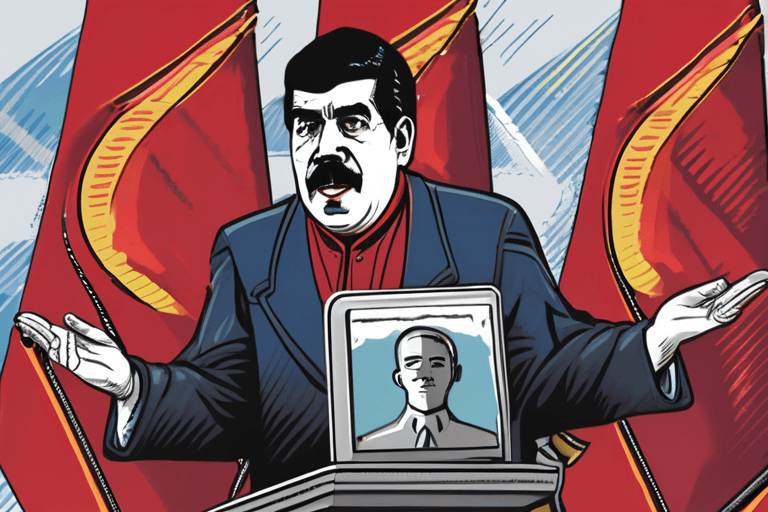
On orders from U.S. President Donald Trump, Venezuelan leader Nicolás Maduro is in U.S. custody, marking a significant shift in U.S. foreign policy and raising concerns about the potential for authoritarian powers to emulate this action globally. Trump announced the development at a news conference at his Mar-a-Lago resort in Florida, stating that the U.S. would be in charge in Venezuela "until such time as we can do a safe, proper and judicious transition."
The U.S. president's decision to seize Maduro demonstrates a belief in the power of his will, backed by U.S. military force, according to Jeremy Bowen, international editor for the BBC. Trump indicated a willingness to use military intervention, stating, "we're not afraid of boots on the ground if we have to have them."
Secretary of State Marco Rubio reportedly spoke with Venezuelan Vice-President Delcy Rodríguez, who allegedly indicated a willingness to cooperate. Trump quoted Rubio as saying Rodríguez told him "we'll do whatever you need... She, I think, was quite gracious, but she really doesn't have a choice."
The implications of this action extend beyond Venezuela, potentially setting a precedent for other nations to justify intervention in sovereign states based on their own perceived interests. This raises concerns about the erosion of international law and the potential for increased global instability.
The situation in Venezuela has been deteriorating for years, marked by economic collapse, political unrest, and a humanitarian crisis. Maduro's government has been accused of corruption, human rights abuses, and election rigging. The U.S. has long sought to remove Maduro from power, imposing sanctions and supporting opposition leader Juan Guaidó.
The long-term consequences of the U.S. intervention remain uncertain. Questions remain about how the U.S. intends to govern Venezuela and what role Venezuelan citizens will have in the transition process. The international community is closely watching the situation, with some nations likely to condemn the U.S. action as a violation of international law, while others may quietly support it.















Discussion
Join the conversation
Be the first to comment