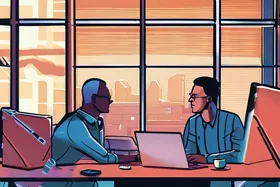
The debate around work-life balance reignited this week following comments from Emma Grede, founder and CEO of Good American and founding partner of Skims, who stated that individuals claiming to have achieved true work-life balance are likely being dishonest. Grede's remarks, made on "The Diary of a CEO" podcast, sparked discussion about the sacrifices often required to attain significant professional success.
Grede emphasized that achieving an "extraordinary life" necessitates extraordinary effort, suggesting that a constant state of high energy and dedication to work is essential. While she acknowledged enjoying leisure time, she implied that even during these moments, successful individuals remain actively engaged in their professional pursuits. Her perspective aligns with a growing sentiment among some high-profile executives who believe that complete separation between work and personal life is unattainable.
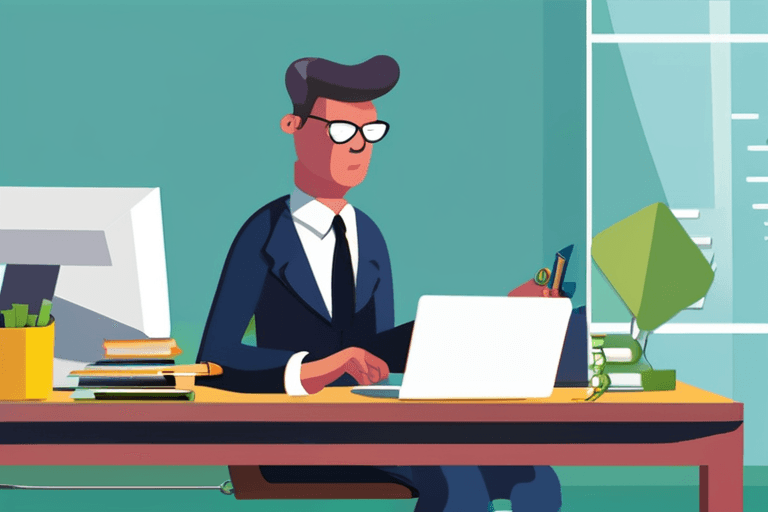
The discussion around work-life balance has significant implications for the labor market. A recent study by the Bureau of Labor Statistics indicated that the average American works 40 hours per week, with a median salary of approximately $53,490 per year. While this may provide a comfortable lifestyle for many, Grede's comments suggest that achieving substantial wealth and influence requires a far greater time commitment and dedication, potentially exceeding 60-80 hours per week. This disparity raises questions about the trade-offs individuals are willing to make in pursuit of professional success and the potential impact on their overall well-being.
Good American, co-founded by Khloe Kardashian, has disrupted the denim industry with its inclusive sizing and body-positive messaging. Skims, also co-founded by Kardashian, has achieved significant success in the shapewear and loungewear market, reportedly reaching a valuation of $4 billion in 2022. Grede's involvement in these ventures underscores her business acumen and her ability to identify and capitalize on market trends.
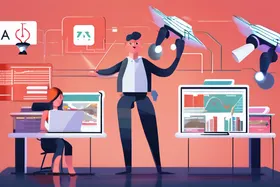
Looking ahead, the conversation surrounding work-life balance is likely to intensify as technology continues to blur the lines between professional and personal lives. The rise of remote work, facilitated by AI-powered tools and communication platforms, has created both opportunities and challenges for individuals seeking to manage their time effectively. While AI can automate certain tasks and improve productivity, it also has the potential to increase workload and create a sense of constant availability. As companies increasingly adopt AI-driven solutions, it will be crucial to consider the impact on employee well-being and to foster a culture that values both productivity and work-life integration.









Discussion
Join the conversation
Be the first to comment