The year is 2026. News outlets flash images of Nicolás Maduro, former president of Venezuela, in custody. The reason? Officially, drug trafficking and narco-terrorism charges. But whispers quickly spread: was this really about oil? The dramatic seizure, orchestrated by US forces under President Trump, reignited a century-old question: how deeply intertwined is America's foreign policy with Venezuela's vast oil reserves?
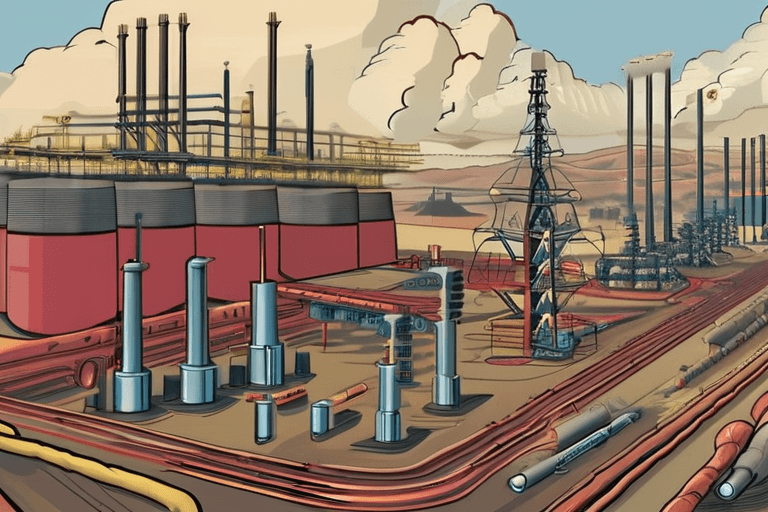
The relationship between the United States and Venezuelan oil is a long and complex one, dating back to the early 20th century. As the world transitioned to an oil-powered economy, Venezuela, blessed with some of the largest proven reserves globally, became a strategic asset. American oil companies flocked to the country, drawn by the promise of black gold. This influx of capital and expertise transformed Venezuela, but also sowed the seeds of future conflict.
For decades, American companies dominated Venezuela's oil industry, extracting resources and reaping profits. This arrangement, while beneficial to some, fueled resentment among Venezuelans who felt their nation's wealth was being exploited. The nationalization of the oil industry in the 1970s, under President Carlos Andrés Pérez, was a direct response to this sentiment, marking a turning point in the relationship between the two countries.
Even after nationalization, the US remained a major consumer of Venezuelan oil. However, the dynamics shifted. Venezuela, now in control of its resources, sought to diversify its markets and exert greater influence on global oil prices. This ambition often clashed with US interests, leading to periods of tension and cooperation.
The rise of Hugo Chávez in the late 1990s further complicated the situation. Chávez, a fiery populist, challenged the established order and sought to use Venezuela's oil wealth to fund social programs and assert regional leadership. His anti-American rhetoric and close ties with countries like Cuba strained relations with the US, leading to sanctions and diplomatic pressure.
"The US has always viewed Venezuelan oil through the lens of national security and economic stability," explains Dr. Elena Rodriguez, a professor of Latin American studies at Columbia University. "The fear has always been that Venezuela could use its oil as a weapon, either by cutting off supplies or by aligning with adversaries."
The recent events, including the seizure of Maduro, highlight the enduring significance of Venezuelan oil in US foreign policy. While the official charges against Maduro are serious, many believe that oil played a significant, if unspoken, role in the decision to take action. The timing, following months of escalating tension and amid concerns about Venezuela's political stability, suggests that the US was motivated, at least in part, by a desire to secure access to Venezuelan oil.
Looking ahead, the future of US-Venezuelan relations remains uncertain. The political landscape is volatile, and the global energy market is undergoing a rapid transformation. As the world transitions to renewable energy sources, the strategic importance of Venezuelan oil may diminish. However, in the short to medium term, it is likely to remain a key factor in the relationship between the two countries. The events of 2026 serve as a stark reminder of the enduring power of oil and its ability to shape international relations.















Discussion
Join the conversation
Be the first to comment