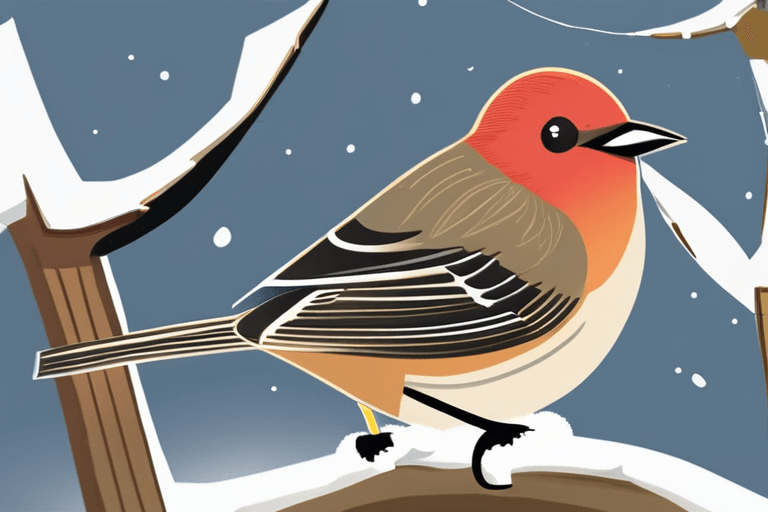
The wind howls, rattling the bare branches of the oak tree outside the window. Inside, a warm mug steams, but outside, life persists, even thrives. A flash of crimson catches the eye – a Northern Cardinal, bold against the grey sky, flitting to a feeder laden with black oil sunflower seeds. Winter might seem like nature's pause button, but for bird enthusiasts, it's showtime.
For many, winter evokes images of barren landscapes and hibernating creatures. While some birds migrate to warmer climates, a surprising number tough it out, providing a unique opportunity for observation. With the leaves gone, spotting these feathered residents becomes significantly easier, turning even a small backyard into a prime birdwatching location. As someone who spends their time testing smart bird feeders, I'm constantly seeking ways to attract a diverse array of birds, regardless of the season. And if that new bird feeder you unwrapped over the holidays is still waiting for its first customer, now's the perfect time to take action.
Attracting birds in winter is about more than just scattering seeds. It's about understanding their needs and creating a welcoming environment. Think of it as setting the stage for a winter wildlife spectacle. The key is variety. While some birds are content with a single type of seed, offering a mix caters to a wider range of species. Black oil sunflower seeds are a universal favorite, providing high-fat content crucial for surviving the cold. But don't stop there. Nyjer seeds attract finches, while suet cakes offer a much-needed energy boost for insect-eaters.
"Even though you might see less diversity in terms of species during the winter months, there are still plenty of birds around," explains Dr. Emily Carter, an ornithologist at the local university. "These birds are facing harsh conditions, and providing a reliable food source can make a real difference in their survival." Dr. Carter emphasizes the importance of fresh water, even when temperatures dip below freezing. A heated bird bath can be a lifesaver, providing a crucial resource when natural water sources are frozen over.
Beyond food and water, shelter is another critical element. Evergreen trees and shrubs offer protection from the wind and snow, providing birds with a safe place to roost and escape predators. Consider adding a brush pile to your yard, a simple yet effective way to create a haven for ground-feeding birds like juncos and sparrows.
The rewards of winter bird feeding extend beyond the simple joy of observation. It's an opportunity to connect with nature, learn about different species, and contribute to their well-being. It's a reminder that even in the depths of winter, life persists, vibrant and resilient, right outside our windows. So, fill those feeders, clear the snow from the bird bath, and prepare to be amazed by the beauty and diversity of the birds that call your backyard home this winter.



















Discussion
Join the conversation
Be the first to comment