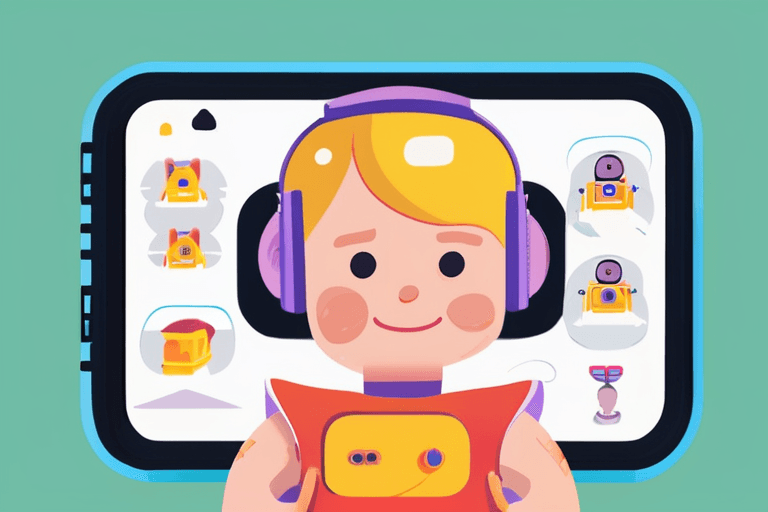
California State Senator Steve Padilla, a Democrat, introduced a bill on Monday that proposes a four-year ban on the sale and manufacture of toys incorporating AI chatbot technology for individuals under 18 years of age. The proposed legislation, designated SB 867, aims to provide regulators with sufficient time to develop safety protocols to protect children from potentially harmful interactions with artificial intelligence.
Senator Padilla stated that while AI chatbots and related tools may become essential in the future, the present risks necessitate decisive action to safeguard children. He emphasized the nascent state of safety regulations surrounding this technology, noting the need for them to evolve at a pace commensurate with the rapid advancements in AI capabilities. "Pausing the sale of these chatbot-integrated toys allows us time to craft the appropriate safety guidelines and framework for these toys to follow," Padilla said in a statement.
The bill arrives following President Trump's recent executive order that directs federal agencies to challenge state AI laws in court. However, the order includes specific exemptions for state laws pertaining to child safety, potentially shielding SB 867 from federal challenges. The introduction of the bill also follows several reported incidents raising concerns about the interaction between AI chatbots and children.
AI chatbots, in this context, refer to computer programs designed to simulate conversation with human users, often employing machine learning algorithms to understand and respond to natural language. In toys, these chatbots could potentially collect personal data, provide inappropriate responses, or expose children to harmful content. The technology typically relies on natural language processing (NLP) and machine learning models, which are trained on vast datasets to enable conversational abilities.
The proposed ban could significantly impact the toy industry, particularly companies that have begun integrating AI chatbot functionalities into their products. The industry will need to consider the implications of the ban on product development and sales strategies in California, a major market for toys.
The bill's future hinges on its progression through the California State Senate and Assembly, followed by potential approval from the Governor. The legislative process will likely involve debates, amendments, and input from various stakeholders, including technology companies, child safety advocates, and legal experts. The outcome of SB 867 could set a precedent for other states considering similar regulations on AI-powered toys and technologies.
















Discussion
Join the conversation
Be the first to comment