The United States' recent actions against Venezuela mark a new stage in its competition with China for resources in South America, with the outcome potentially determining the future direction of the continent's vast mineral wealth. The intervention, while ostensibly targeting a specific government, has broader implications for the region's resources, including oil and rare earth minerals.
The primary objective is Venezuela's oil reserves, but the country also possesses significant deposits of other minerals crucial for the 21st-century energy transition. The conflict raises concerns about whether these resources will be used to promote renewable energy technologies or to bolster military power and defend existing fossil fuel interests.
Venezuela's oil industry, already struggling with dysfunction and corruption, would require extensive repairs costing tens of billions of dollars. The US intervention adds another layer of complexity to the situation.
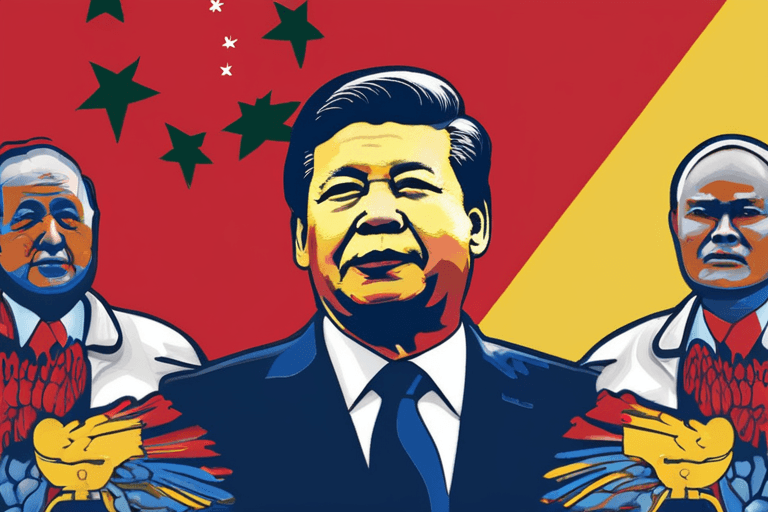
The US has historically maintained a strong interest in South American resources, particularly oil. China, however, has been increasing its influence in the region through investments and trade deals, challenging the US's traditional dominance. This competition has intensified as the demand for minerals used in renewable energy technologies has grown.
The outcome of the conflict in Venezuela will have far-reaching consequences for the entire region. It will influence the development of South America's mineral resources and shape the geopolitical balance of power between the US and China.




















Discussion
Join the conversation
Be the first to comment