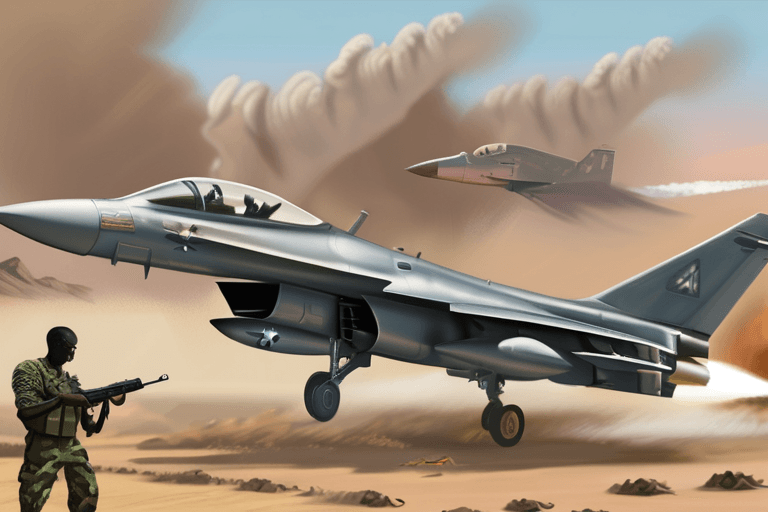
The operation targeted an Islamist group known as Lakurawa, according to sources familiar with the matter. This group is known for extorting the predominantly Muslim local population and enforcing a rigid interpretation of Sharia law, which includes punishments such as lashing for listening to music.
Following the strikes, former President Donald Trump stated on his Truth Social platform that "ISIS Terrorist Scum in Northwest Nigeria, who have been targeting and viciously killing, primarily, innocent Christians were hit with numerous perfect strikes." The extent of coordination with the Nigerian government remains unclear, as very little information has been publicly released by either the U.S. or Nigeria.
The lack of transparency surrounding the airstrikes raises concerns about accountability and potential civilian casualties. Without detailed information on the intelligence used to identify targets and the measures taken to minimize harm to non-combatants, it is difficult to assess the legitimacy and proportionality of the operation.
The use of AI in modern warfare, including target identification and strike coordination, adds another layer of complexity. AI algorithms can analyze vast amounts of data to identify potential threats, but they are also susceptible to biases and errors. If the data used to train these algorithms reflects existing prejudices or incomplete information, the resulting targeting decisions could disproportionately affect certain populations.
The implications of AI-driven warfare for international law and human rights are significant. It is crucial to ensure that AI systems are used responsibly and ethically, with appropriate safeguards in place to prevent unintended consequences. This includes transparency in data collection and algorithm design, as well as robust oversight mechanisms to monitor the use of AI in military operations.
The situation in northwest Nigeria is further complicated by the presence of various armed groups, including Boko Haram and other Islamist factions. These groups have been responsible for widespread violence and instability in the region for many years. The Nigerian government has struggled to contain the insurgency, and the involvement of foreign powers, such as the U.S., adds another dimension to the conflict.
As of now, the U.S. government has not released any further information about the airstrikes. The Nigerian government has also remained largely silent on the matter. Human rights organizations and international observers are calling for greater transparency and accountability to ensure that the operation was conducted in accordance with international law and that any civilian casualties are properly investigated. The long-term impact of the strikes on the security situation in northwest Nigeria remains to be seen.












Discussion
Join the conversation
Be the first to comment